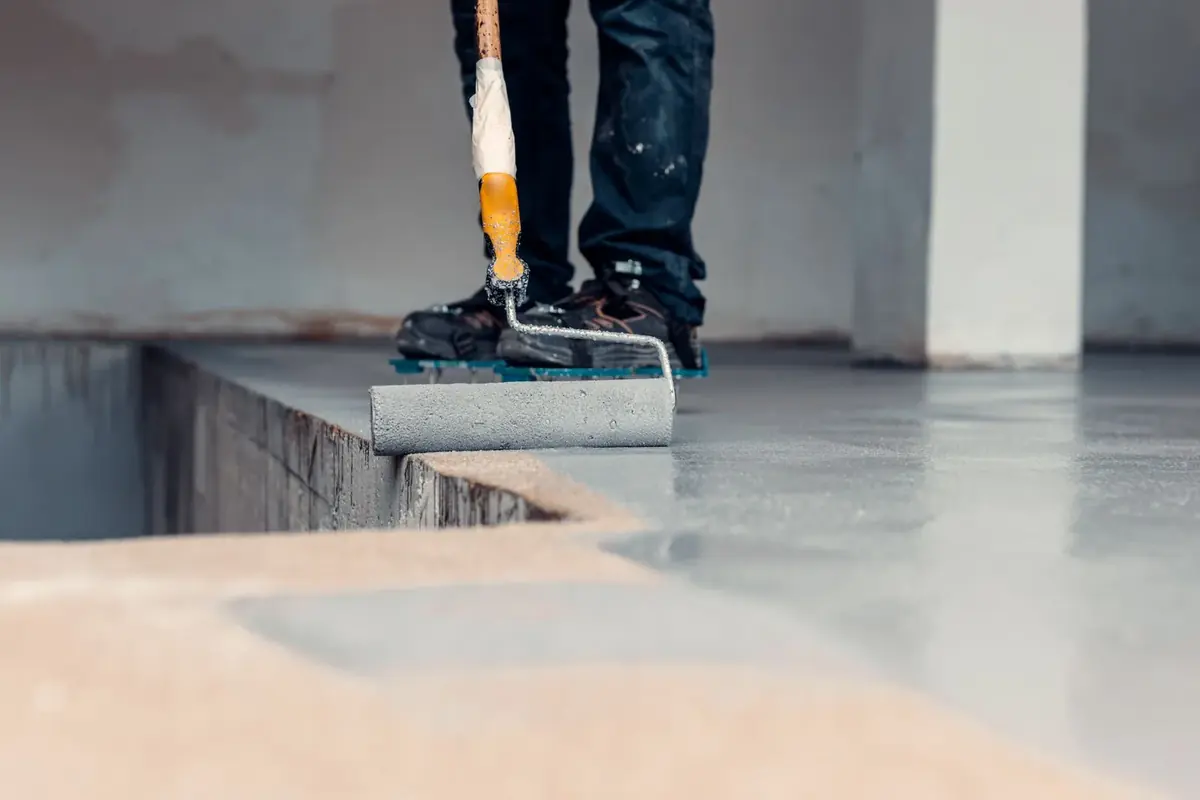
Polyaspartic coatings are a type of aliphatic polyurea. Compared with standard epoxy, they are designed to resist yellowing in UV light, and they typically cure much faster. That combination makes them a popular topcoat — and in some cases a full system — for garages with open doors, covered patios and commercial spaces that need to reopen quickly.
Fast cure is an advantage and a constraint. Polyaspartics have a short working window, especially in Phoenix heat, so they need experienced installers who mix in small batches, work in a planned sequence and keep a close eye on slab temperature and humidity.
Where polyaspartic is often specified
Sun-exposed garages
As a UV-stable topcoat over a flake or solid-color base where sunlight reaches the floor.
Covered patios and outdoor slabs
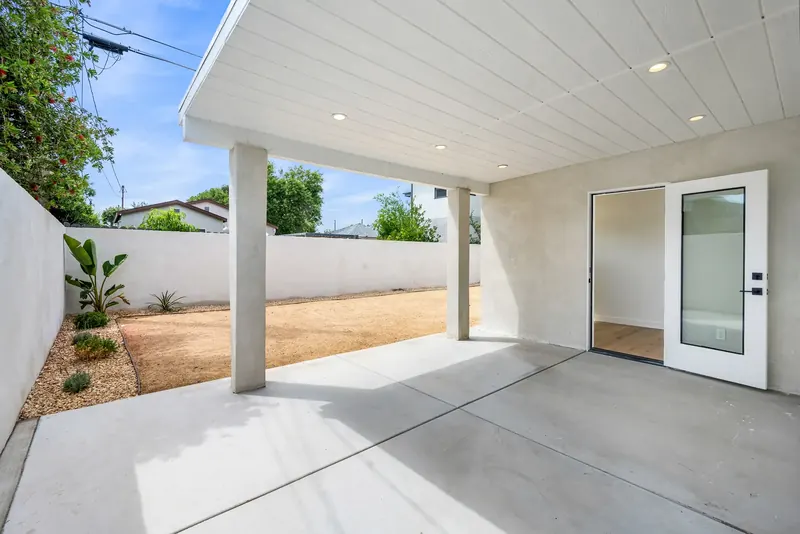
Where color stability matters and the floor sees sun at some time of day.
Retail and hospitality
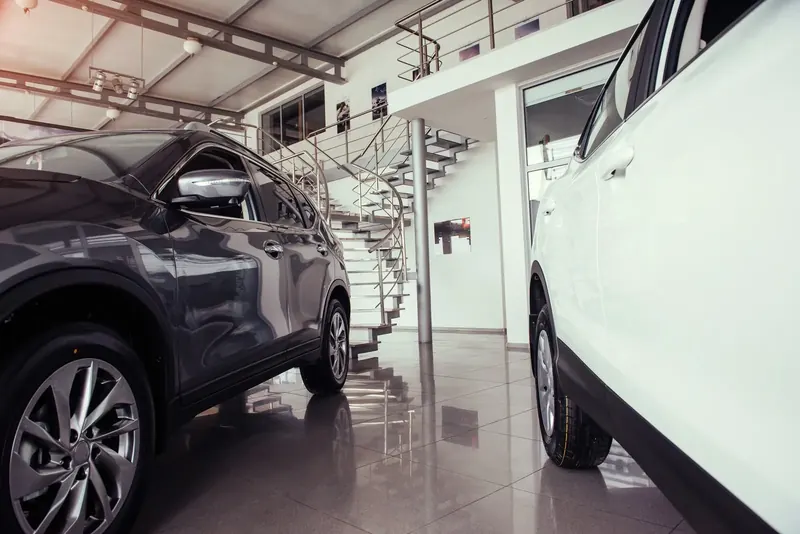
Spaces that need a durable, cleanable finish with limited downtime.
Topcoat over epoxy
A hybrid approach that combines an epoxy base with a polyaspartic wear layer.
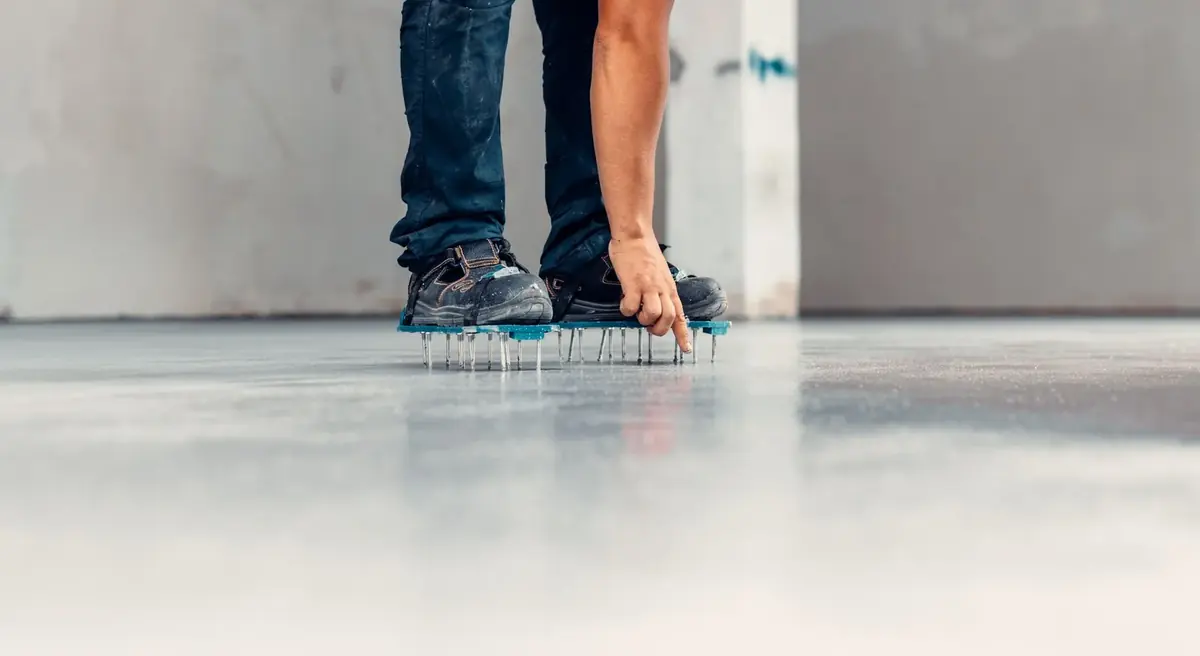
Typical polyaspartic system
- 01
Slab assessment
We check moisture, contamination and previous coatings; polyaspartics need a clean, well-profiled surface to bond.
- 02
Mechanical profile
Diamond grinding opens the concrete to the profile the primer or base coat requires.
- 03
Base coat
Depending on the slab, this may be an epoxy, a polyurea or a polyaspartic base, with flake or color as specified.
- 04
Polyaspartic topcoat
Applied in carefully timed sections. Gloss, satin and anti-slip options are available.
Finish options
- Clear gloss or satin over flake
- Pigmented solid-color finishes
- Anti-slip aggregate in the topcoat
- Hybrid epoxy base with polyaspartic top
- Coatings for stem walls and steps
An honest comparison
Polyaspartic is not automatically better than epoxy — it is better suited to certain conditions. Epoxy builds thickness economically and bonds well as a primer; polyaspartic is designed for UV stability and faster cure. Many of the best-performing floors use both, each where it does its job best.
Fast cure also means less forgiveness during installation. In extreme heat we may schedule early-morning work or recommend a hybrid system. We will explain why we are recommending what we are, and what the tradeoffs are.
Not sure this is the right system? Our coating systems guide compares the options side by side, or we can recommend one after seeing your floor.
Polyaspartic Floor Coatings — frequently asked questions
Is polyaspartic a one-day floor?
Some polyaspartic systems can be installed and returned to light use faster than epoxy systems, but timelines depend on the slab, the system and the conditions. We will tell you realistic timelines for your project rather than promise a one-day floor.
Does polyaspartic yellow in sunlight?
Polyaspartics are aliphatic and are designed to resist UV yellowing better than standard epoxies, which is why we often recommend them for sun-exposed floors.
Can polyaspartic go over an existing epoxy floor?
Sometimes, if the existing coating is well bonded and properly prepared. We test and inspect before recommending a recoat.