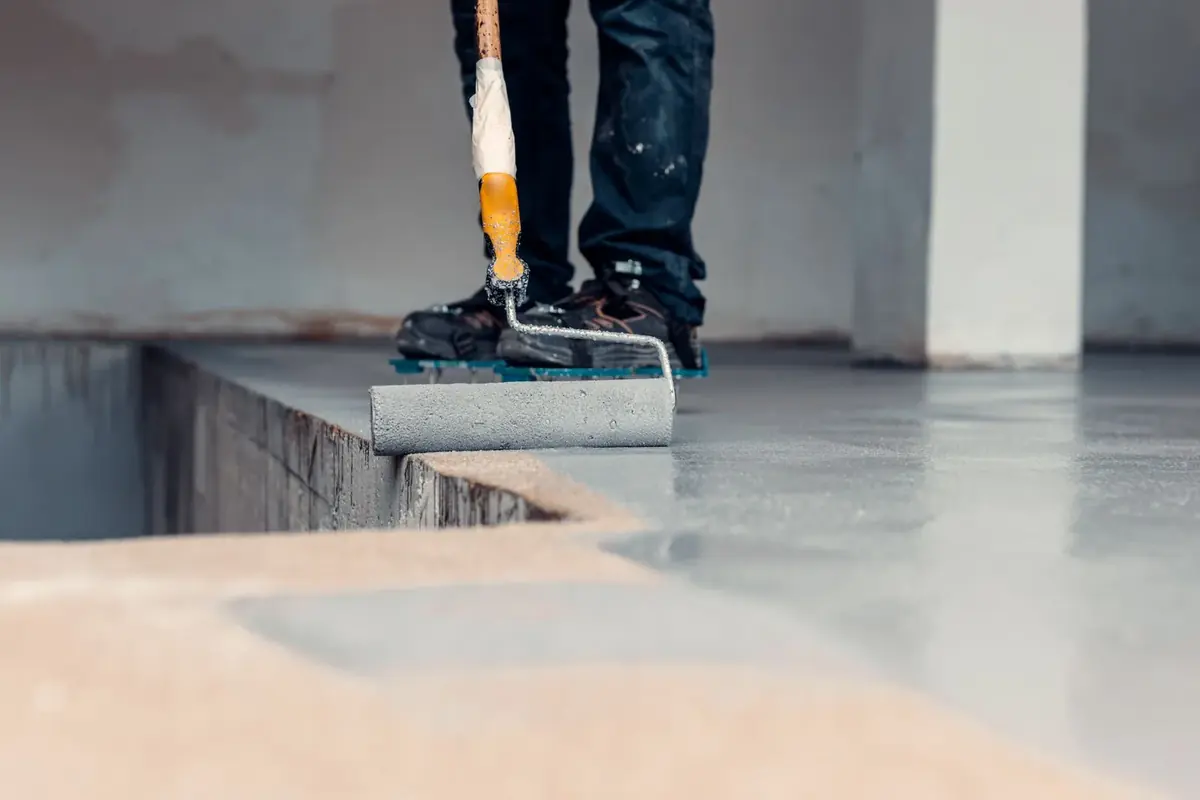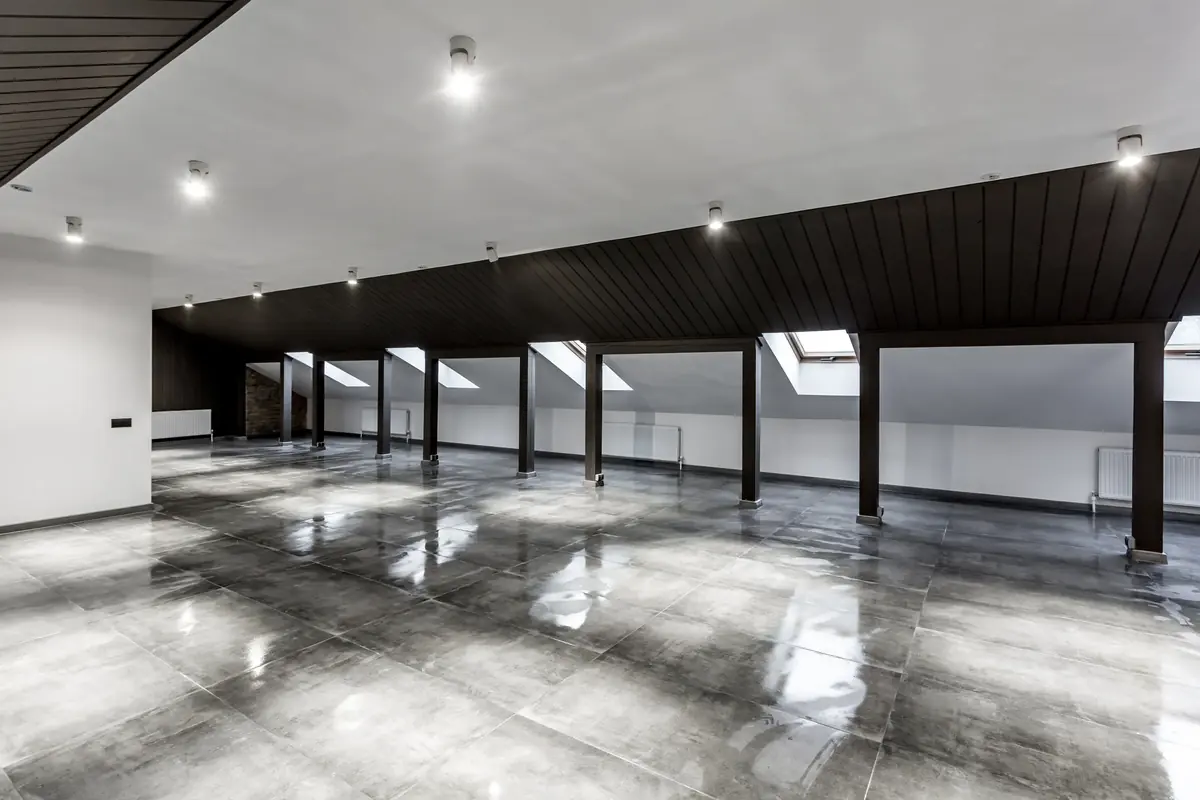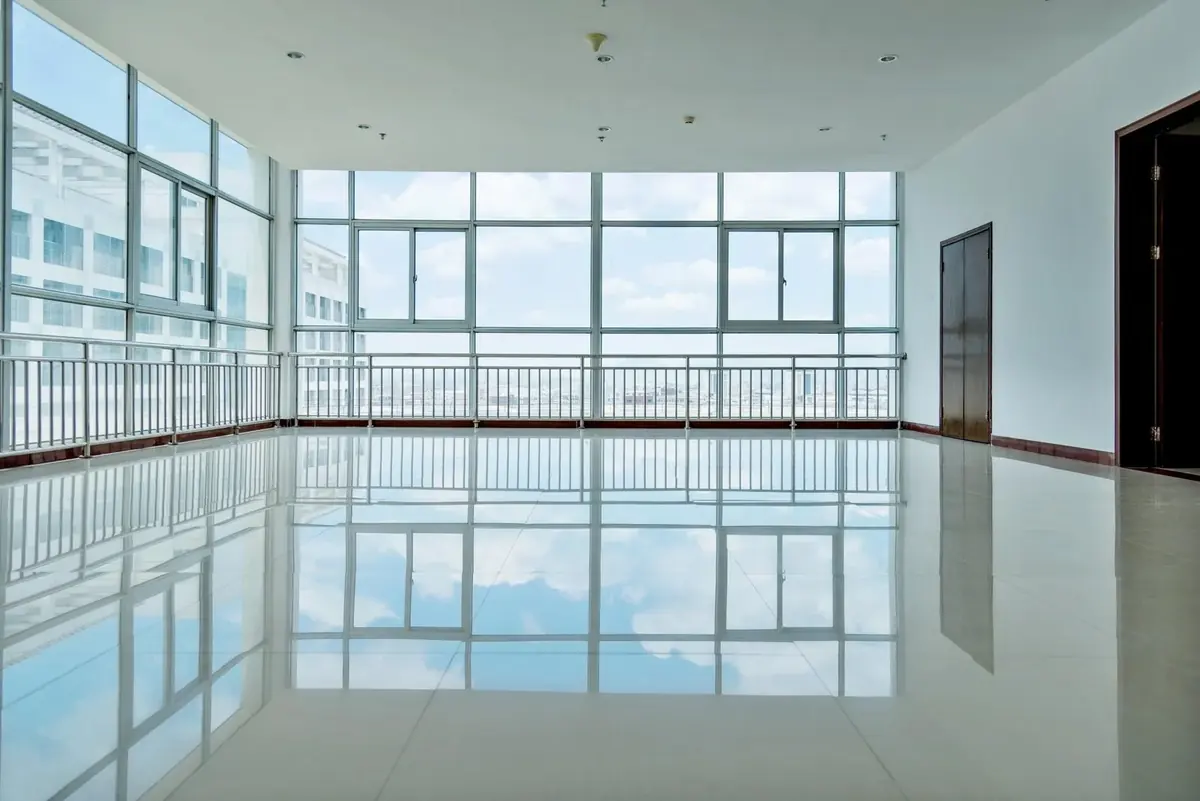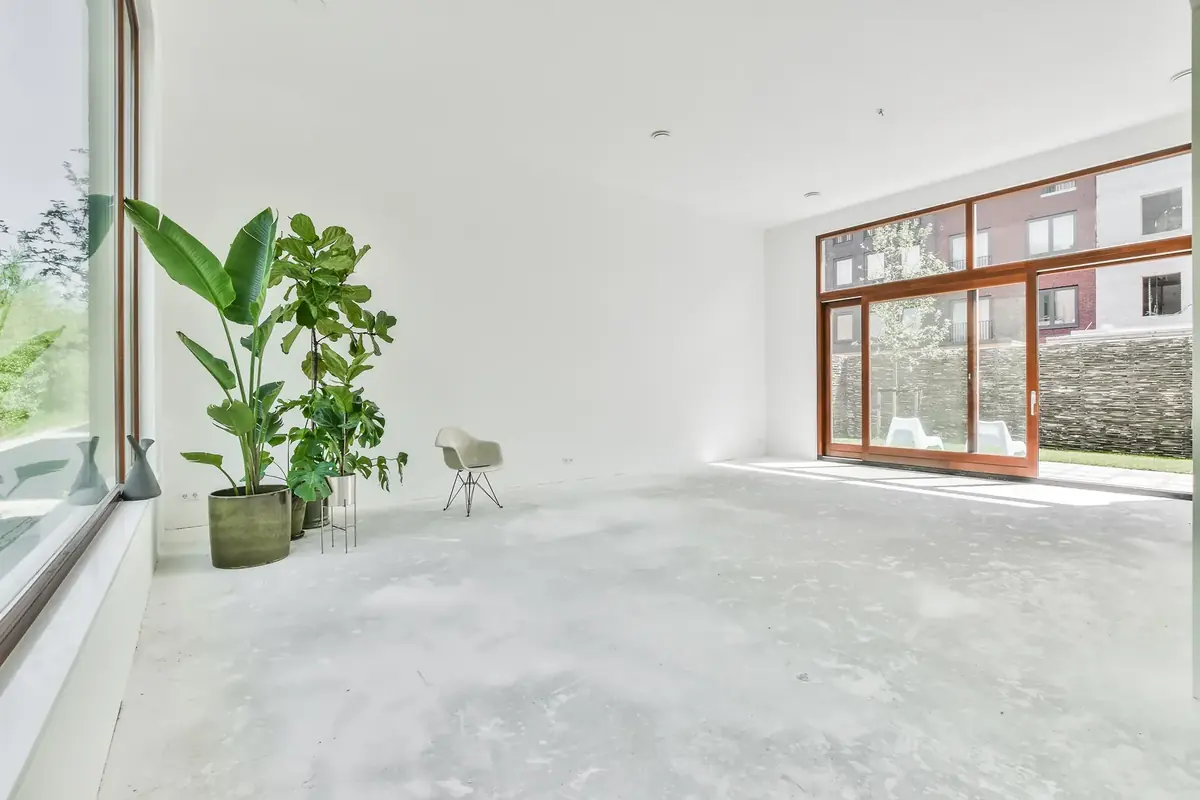
Epoxy is the workhorse of floor coatings. It is a two-part thermoset resin that bonds into a mechanically profiled slab and cures into a continuous, easy-to-clean surface. In a Phoenix home that might mean a bright, light-reflective garage or a seamless casita floor; in a business it might be a back-of-house corridor, a showroom or a production area that needs to be swept and mopped every day.
What makes an epoxy floor perform is rarely the product name on the bucket. It is the preparation underneath it, the film thickness of each coat, the way the system is matched to the space and the topcoat chosen for the conditions. We plan every epoxy floor around those details and explain each choice before any work begins.
Where epoxy is a strong fit
Interior living and work spaces
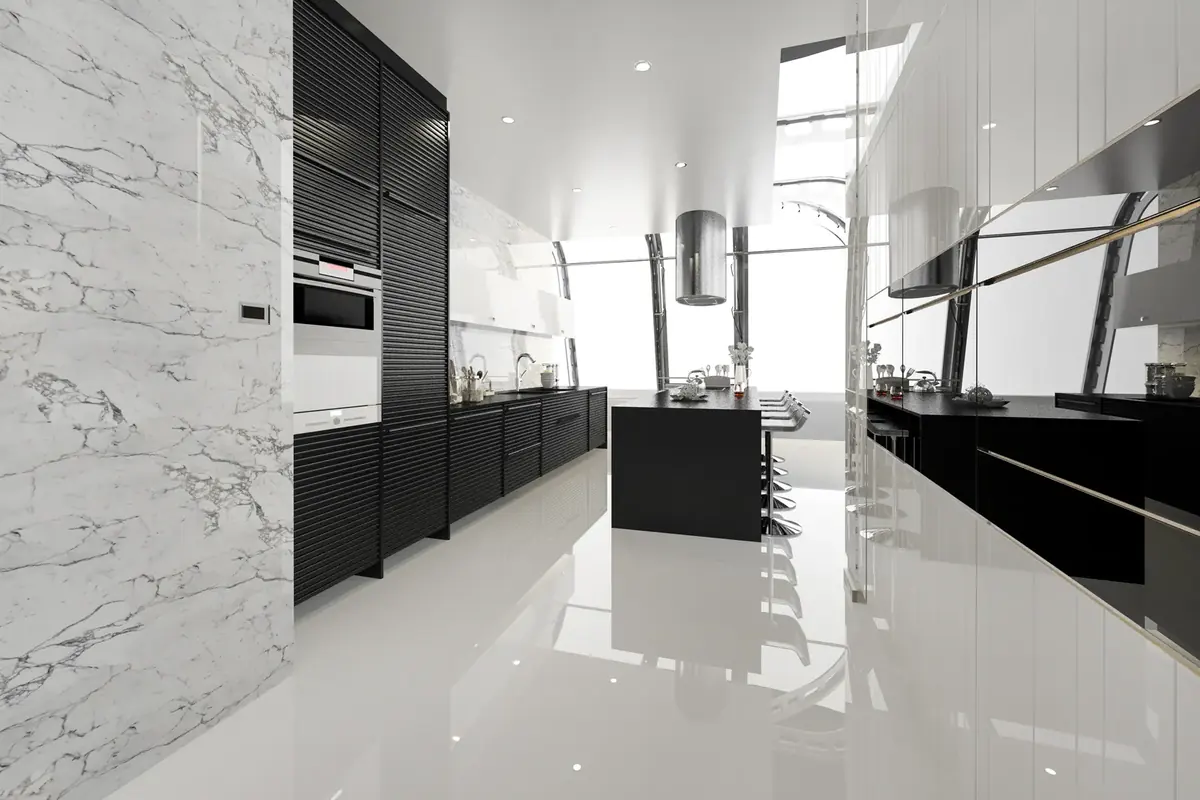
Casitas, studios, kitchens and home offices where a seamless, light-reflective floor suits a contemporary interior.
Garages and shops
As a primer and body coat beneath decorative flake or metallic layers, typically finished with a UV-stable topcoat where sunlight reaches the floor.
Commercial back-of-house
Storage rooms, corridors, utility rooms and service areas that need a cleanable, continuous surface.
Light-industrial floors
Higher-build epoxy systems are often specified where forklifts, carts and rolling loads are part of daily operations.
How an epoxy system is built
- 01
Assessment and moisture check
We look at the slab’s age, existing coatings, cracks, contamination and signs of moisture before recommending a system.
- 02
Mechanical preparation
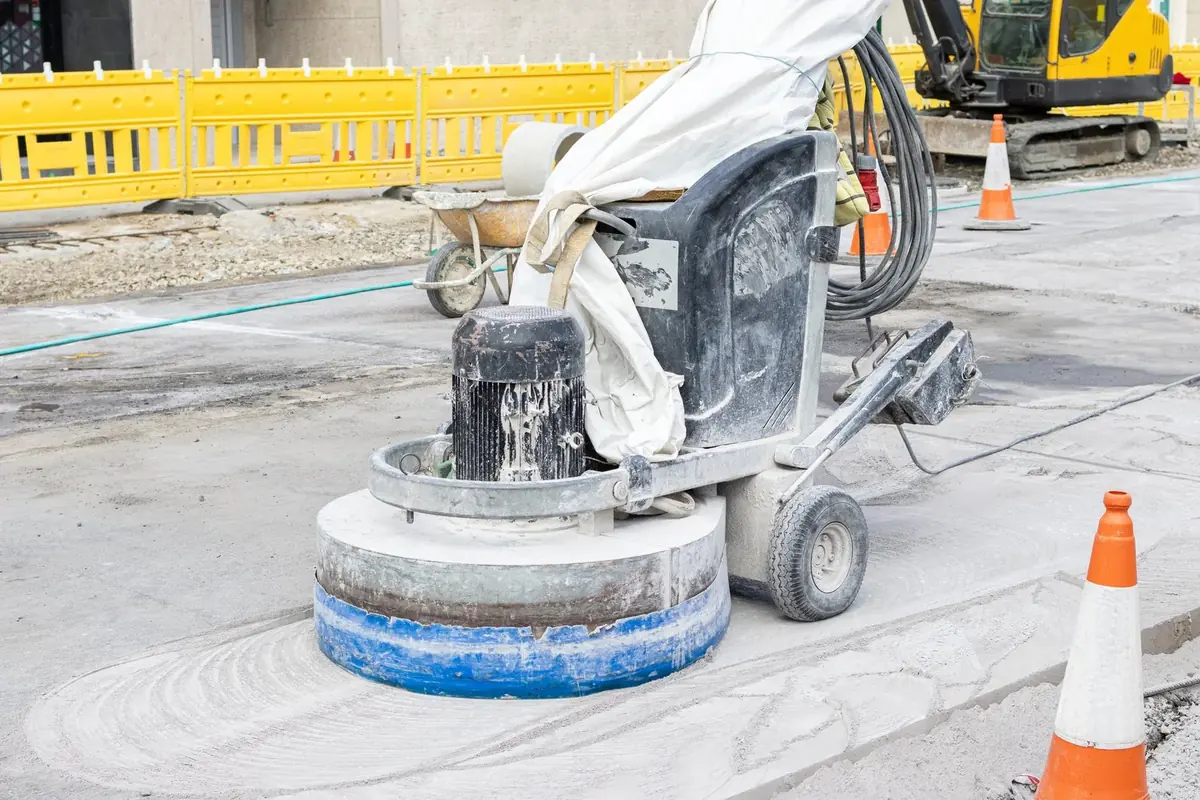
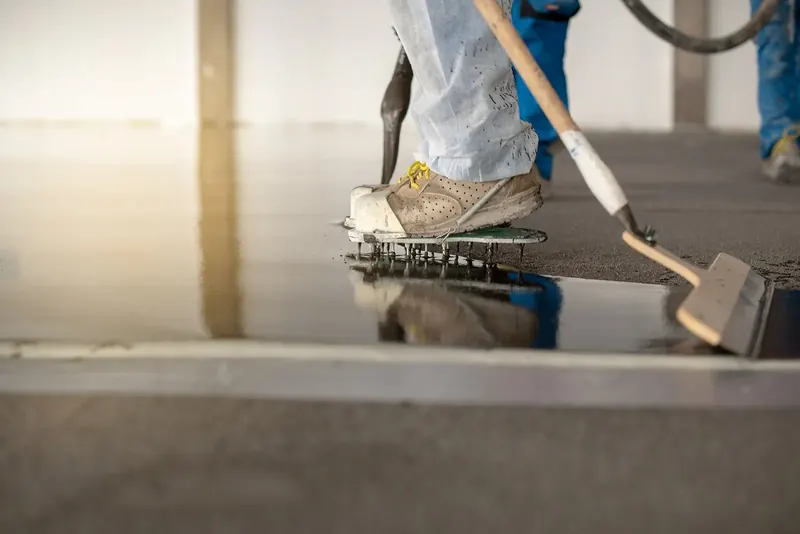
Diamond grinding opens the surface to a profile the coating can bond to and removes weak paste, sealers and residues.
- 03
Repairs and primer
Cracks, spalls and joints are addressed, then a penetrating primer or base coat is applied to the profiled concrete.
- 04
Body coat and decorative layer
A pigmented epoxy body coat is installed, with flake, quartz or metallic effects added at this stage when specified.
- 05
Topcoat
A clear or tinted topcoat is chosen for gloss, texture and exposure. In sun-exposed spaces we generally recommend an aliphatic topcoat over epoxy.
Finish options
- Solid color in light neutrals or deep tones
- Full or partial decorative flake broadcast
- Metallic and marble-look effects
- Quartz broadcast for added texture
- Gloss, satin or matte topcoats
- Slip-resistant aggregate in the topcoat
What to know before choosing epoxy
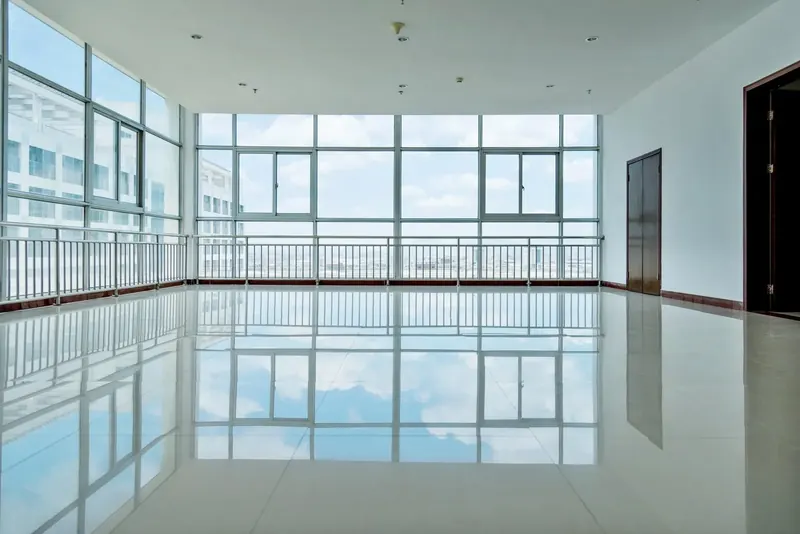
Most epoxies are not UV-stable on their own and can amber over time where direct sun reaches the floor. That matters in Phoenix garages with doors open to the west or south, and on any floor near large windows. It is one of the main reasons we often pair an epoxy base with a polyaspartic or urethane topcoat.
Epoxy also needs a dry, sound slab. Concrete with moisture vapor issues, heavy oil contamination or a failing previous coating needs to be evaluated and addressed first, and in some cases a moisture-mitigating primer or a different system is the better call. We will tell you plainly if we think that is the case.
Not sure this is the right system? Our coating systems guide compares the options side by side, or we can recommend one after seeing your floor.
Epoxy Floor Coatings — frequently asked questions
How long does an epoxy floor installation take?
Most residential epoxy floors are installed over two to three days, depending on the size of the space, the amount of repair work and the number of coats. Cure times vary with product and temperature, and we give you light-foot-traffic and vehicle-traffic timelines in writing for your specific system.
Can epoxy be installed over an existing coating?
Usually the existing coating needs to be removed or thoroughly ground so the new system bonds to sound material. We test adhesion and inspect the old coating during the assessment before recommending whether to remove it.
Will an epoxy floor be slippery?
Any smooth, glossy floor can become slick when wet. Decorative flake, quartz broadcast or a slip-resistant additive in the topcoat adds texture, and we help you choose the right level of texture for how the space is used.
Does Arizona heat affect installation?
Yes. Concrete and air temperature affect working time and cure. In the hotter months we schedule installs for the cooler parts of the day and adjust materials and mixing so each coat goes down within its working window.