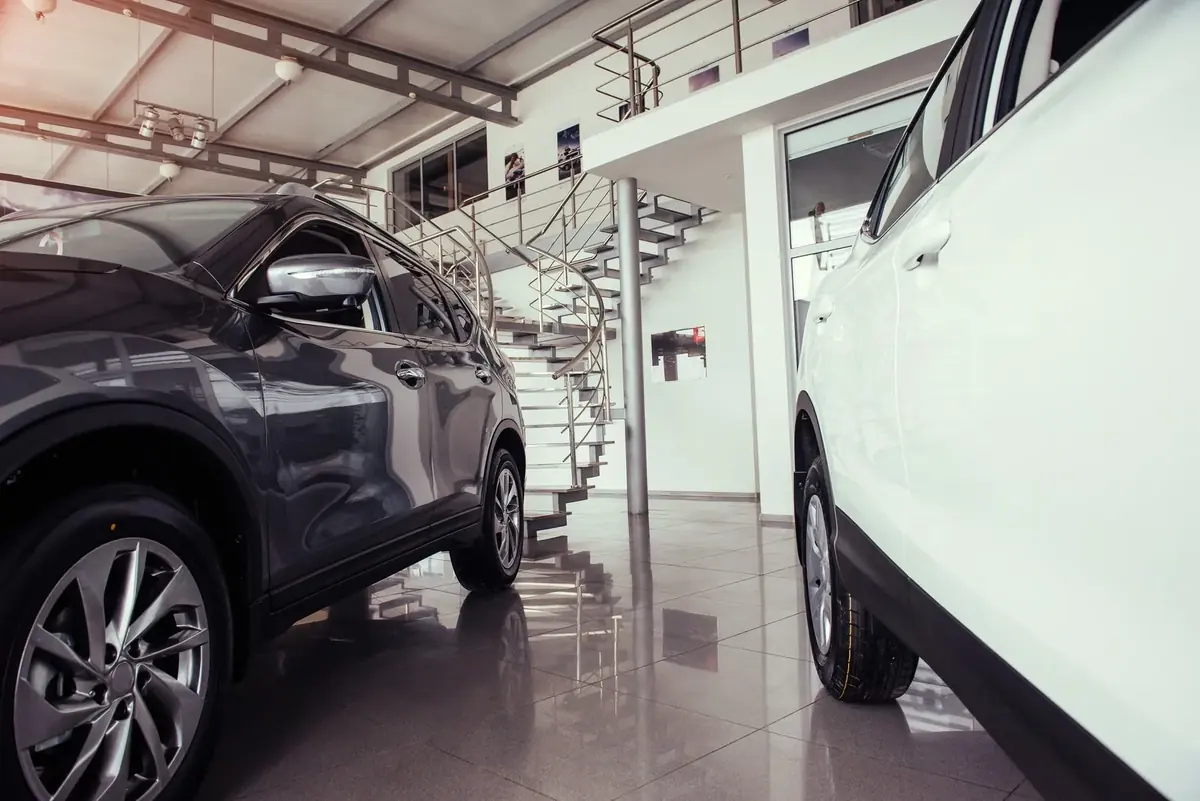
Phoenix garages work hard. Doors stay open through long afternoons, tires come in hot off summer pavement, dust blows in during monsoon season and the space often doubles as a gym, workshop or second living room. A professionally installed garage floor coating turns that raw slab into a finished, cleanable surface that looks deliberate rather than leftover.
Every garage floor starts with an honest look at the concrete. We check for old sealers, oil, cracks, spalls and moisture, then recommend a system — usually a flake, solid-color or metallic finish — with a topcoat matched to how much sun and traffic the floor will see.
What homeowners use their garages for
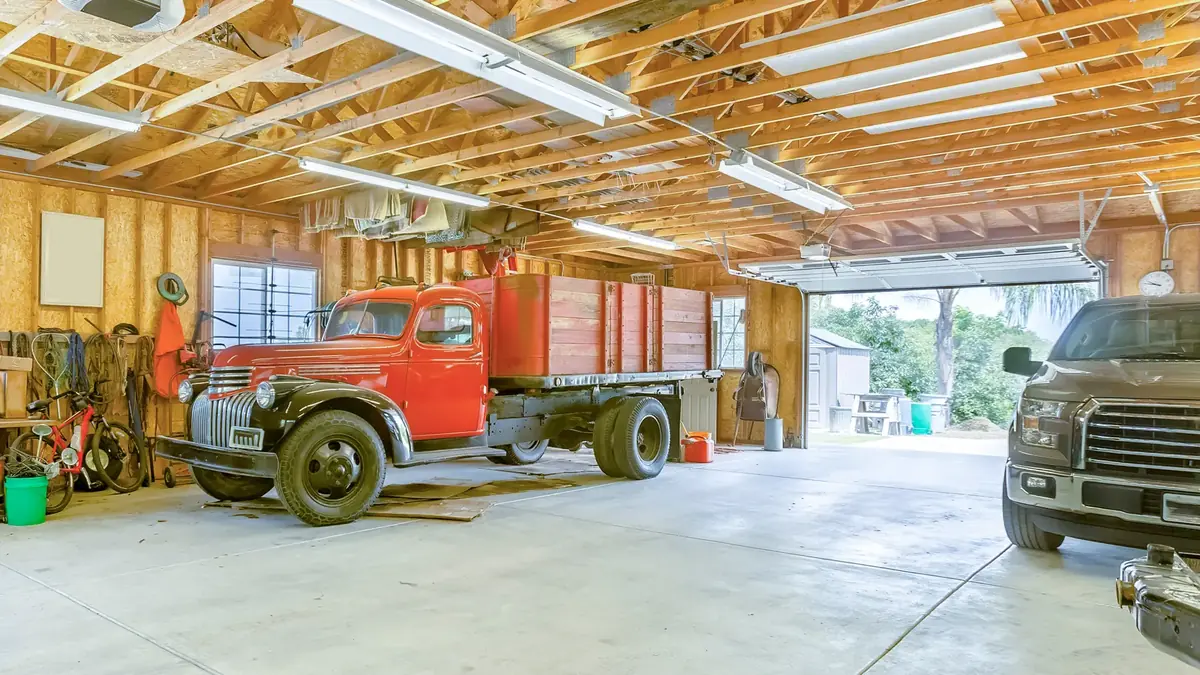
Everyday parking
A textured flake or solid-color system that is easy to rinse and hides day-to-day dust.
Home gyms
A durable coating under rubber mats and equipment, with texture where you need grip.
Workshops and hobby bays
Systems that handle rolling tool chests, jack stands and regular cleanup.
Show and collector garages
Metallic or high-gloss finishes designed to present vehicles, with UV-stable protection.
Our garage floor process
- 01
Clear-out and inspection
We agree on what needs to be moved, then inspect the slab for contaminants, previous coatings and moisture.
- 02
Diamond grinding
Grinding removes the weak top layer and opens the concrete. Edges are ground with smaller tools to reach walls and steps.
- 03
Crack, joint and spall repair
Damage is filled and ground flush so it does not telegraph through the finish.
- 04
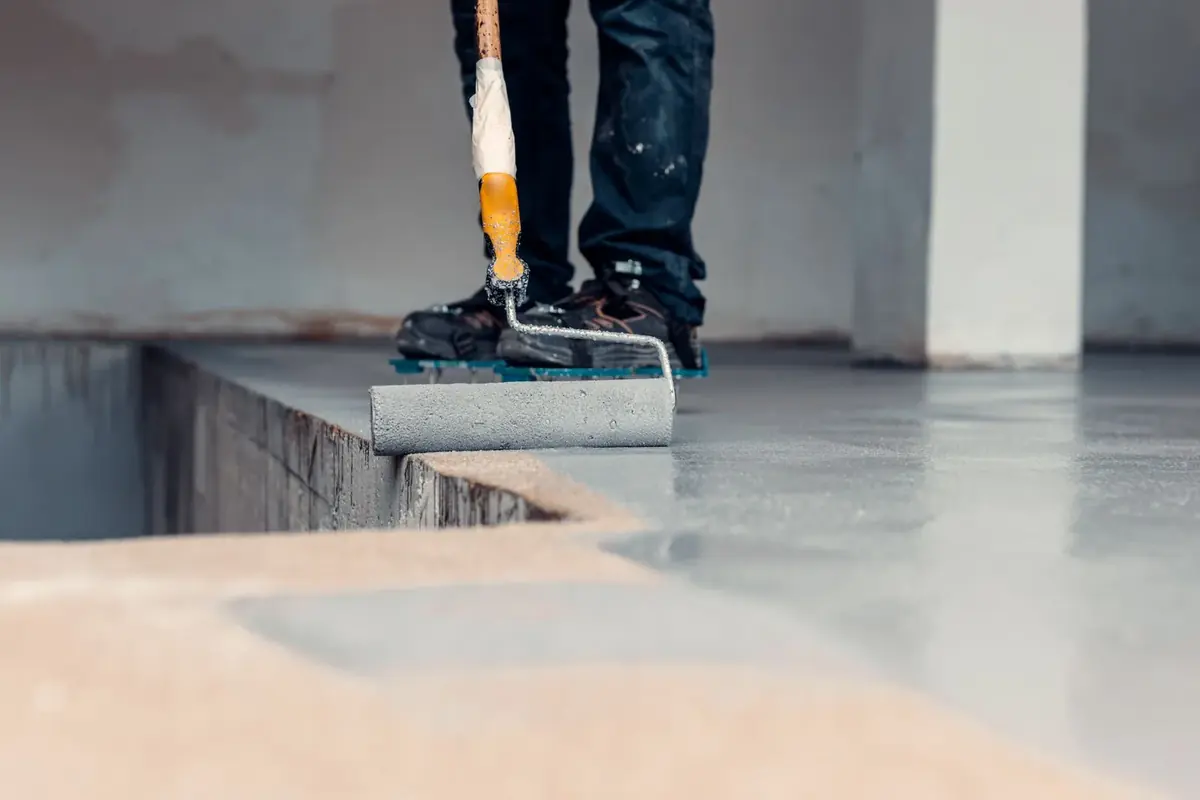
Base, broadcast and topcoat
The specified system is installed in layers, with stem-wall coverage available for a finished look.
- 05
Cure and handover
We walk the floor with you and give written timelines for foot traffic, furniture and vehicles.
Popular garage finishes
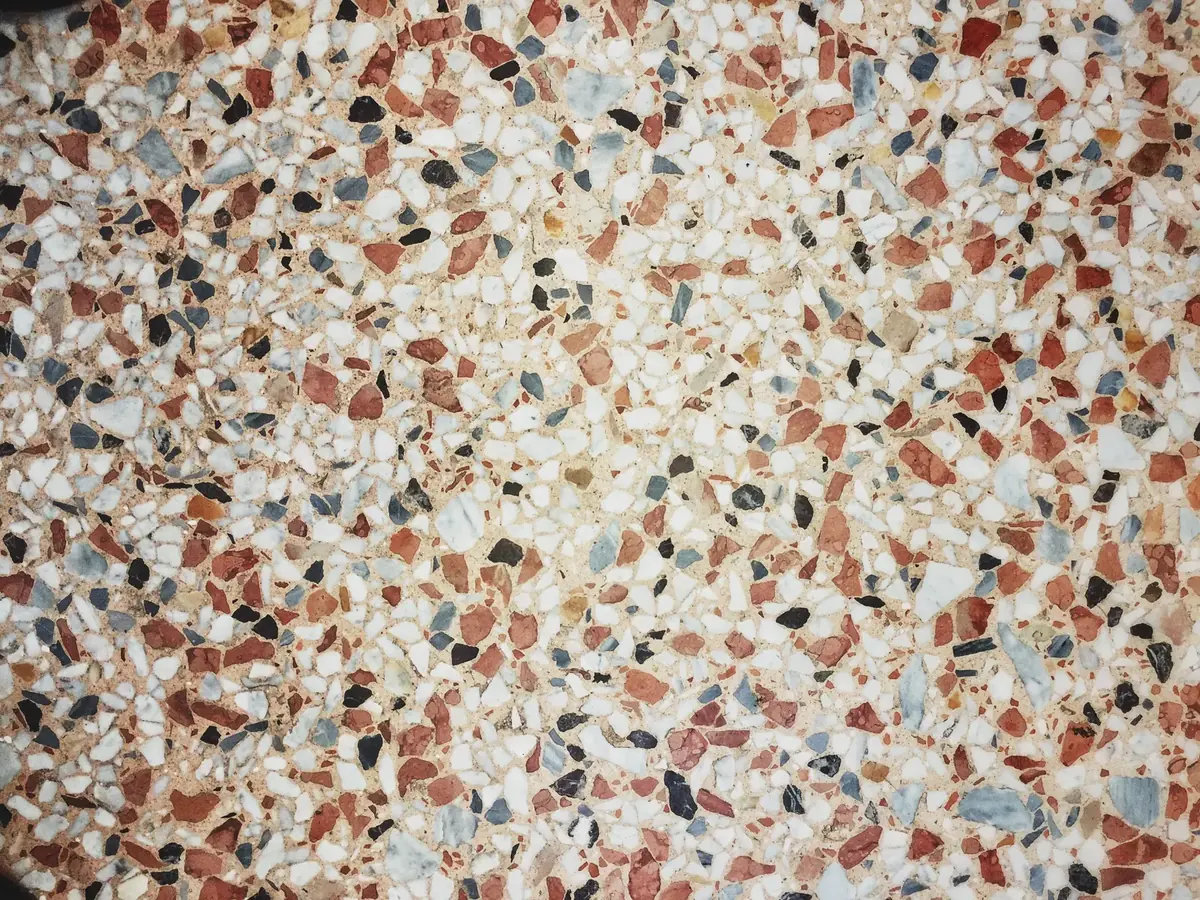
- Full-broadcast flake in desert tones
- Solid grey or charcoal with partial flake
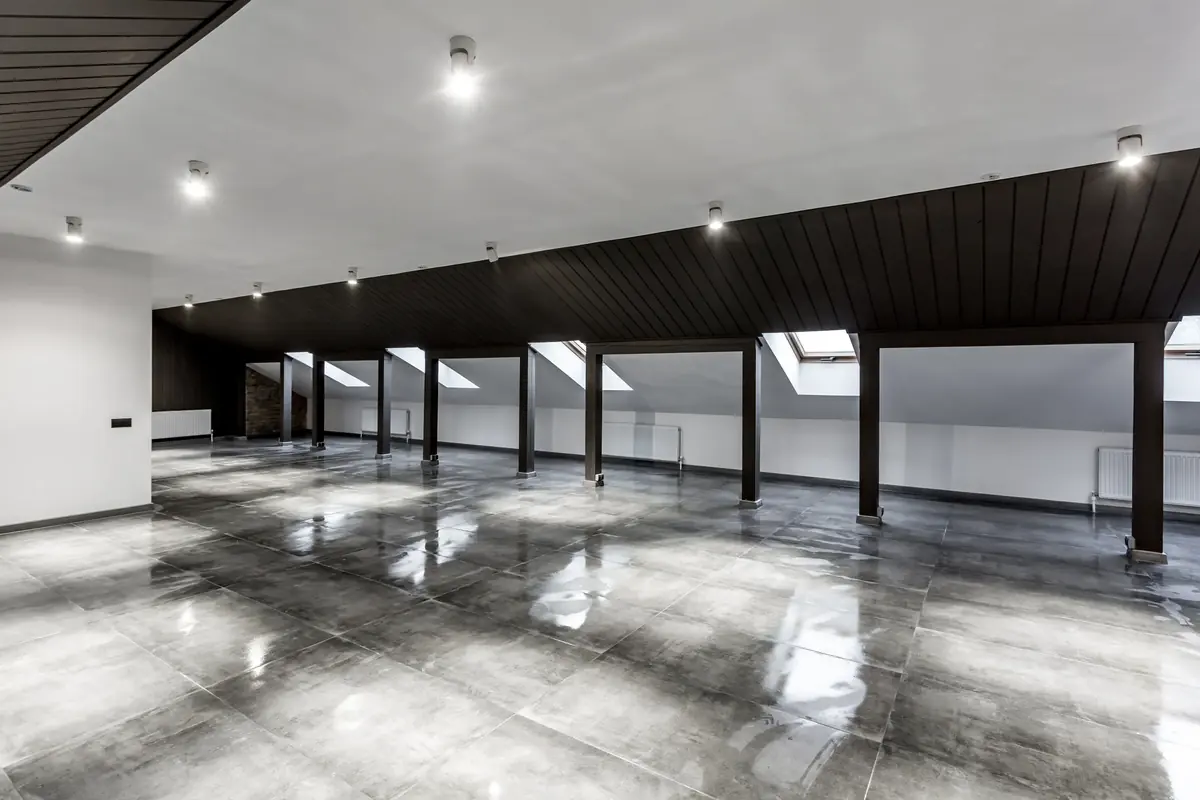
- Metallic show-garage finishes
- Satin or gloss clear topcoats
- Stem-wall coating for a finished edge
- Anti-slip additives for entry areas
Phoenix-specific details
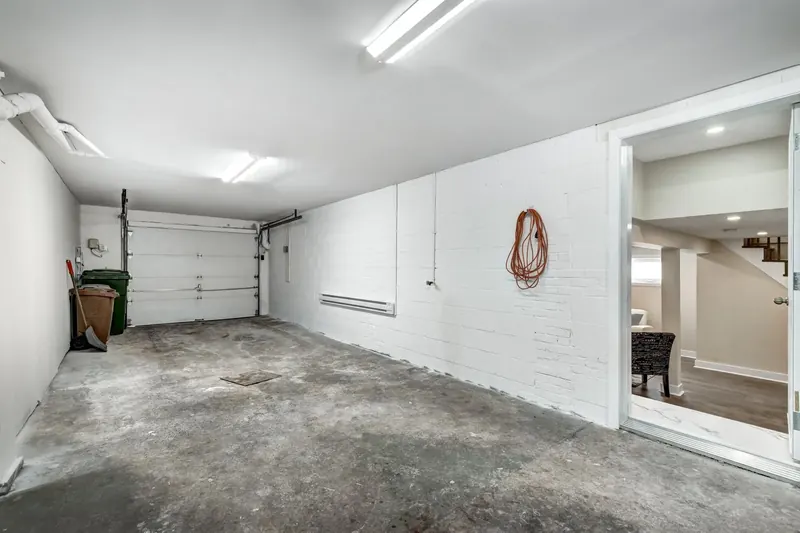
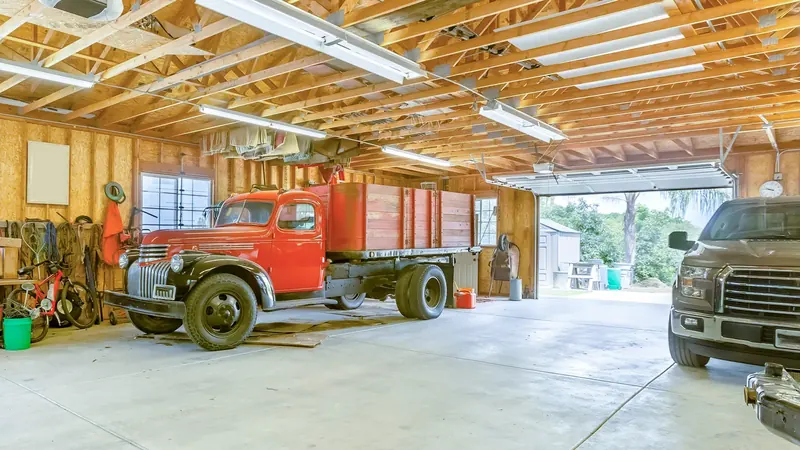
Sun exposure is the first thing we ask about. If afternoon light reaches the floor when the door is open, an epoxy-only system may amber over time. Polyaspartic and other aliphatic topcoats are designed to resist that, which is why they are a common choice for Valley garages.
Heat matters during installation too. Hot slabs shorten working time and can affect how coatings level and bond, so in summer we start early, monitor slab temperature and adjust the schedule rather than rushing a coat down in the heat of the afternoon.
Not sure this is the right system? Our coating systems guide compares the options side by side, or we can recommend one after seeing your floor.
Garage Floor Coatings — frequently asked questions
How soon can I park in my garage?
It depends on the system and temperature. Many systems allow light foot traffic within a day and vehicles after several days. We give you a written timeline for your specific floor.
What causes hot-tire pickup?
Hot tires can soften and lift poorly bonded or thin coatings. Thorough mechanical preparation and a properly specified system are the main defences, and we explain how your system is designed for it.
Do I need to empty my garage completely?
Yes, the floor needs to be clear for grinding and coating. Wall-mounted storage can usually stay in place. We can talk through what needs to move when we schedule.
Can you coat the garage stem walls and steps?
Yes. Stem walls and steps can be coated to match the floor, which gives a finished edge and makes cleaning easier.