Coating systems guide
Floor coating systems, explained plainly.
Epoxy, polyaspartic, decorative flake, metallic and industrial systems each have strengths and limits. Here is how they compare, and how we decide which belongs on your floor.
01 At a glance
How the main systems compare
General characteristics only — actual performance depends on the specific products, the slab, preparation and installation. We’ll recommend specific products for your project in writing.
| Characteristic | Epoxy | Polyaspartic | Decorative flake | Metallic epoxy |
|---|---|---|---|---|
| UV color stability | Standard epoxies can amber in sun | Designed to resist yellowing | Depends on topcoat | Depends on topcoat |
| Typical role | Primer, body coat, full interior system | Topcoat or full system | Decorative broadcast layer | Decorative feature layer |
| Working time | Moderate | Short — careful batching | Set by base coat | Moderate; worked by hand |
| Texture | Smooth unless aggregate added | Smooth unless aggregate added | Textured; adjustable | Smooth |
| Look | Solid color, gloss to matte | Clear or pigmented | Speckled, granite-like | Veining, depth, movement |
| Forgiveness of dust/scratches | Moderate | Moderate | High | Lower at high gloss |
02 In detail
Each system, where it fits and what to keep in mind
 Build & bond
Epoxy
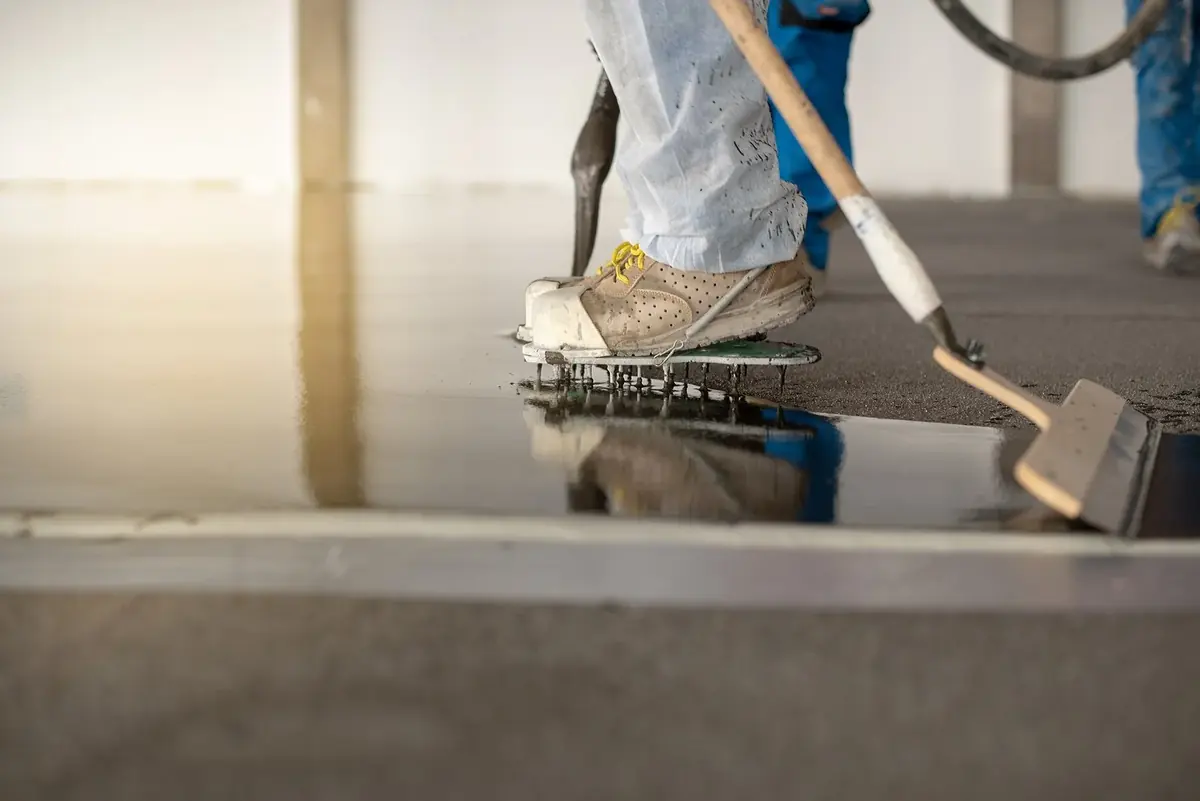
A two-part thermoset resin that bonds into mechanically profiled concrete and builds film thickness economically.
Often suited to
- Interior floors and garages
- Primers and body coats
- Commercial back-of-house
- Higher-build industrial systems
Keep in mind: Standard epoxies can amber in direct sunlight, so sun-exposed floors usually get a UV-stable topcoat.
Read more about epoxy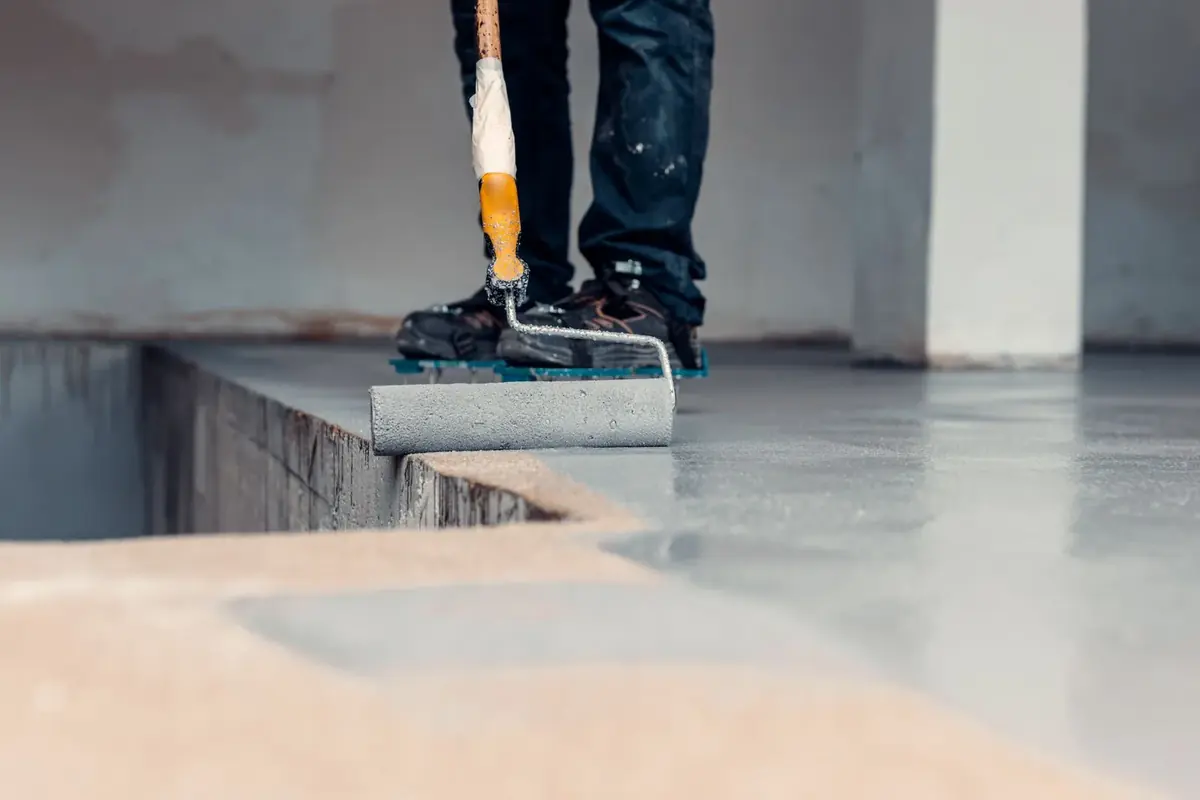 UV-stable & fast
Polyaspartic
An aliphatic polyurea designed to resist UV yellowing and cure faster than epoxy, used as a topcoat or full system.
Often suited to
- Sun-exposed garages
- Covered patios
- Spaces that need a quicker return to use
- Topcoats over epoxy or flake
Keep in mind: A short working window means careful batching and timing, especially in Phoenix heat.
Read more about polyaspartic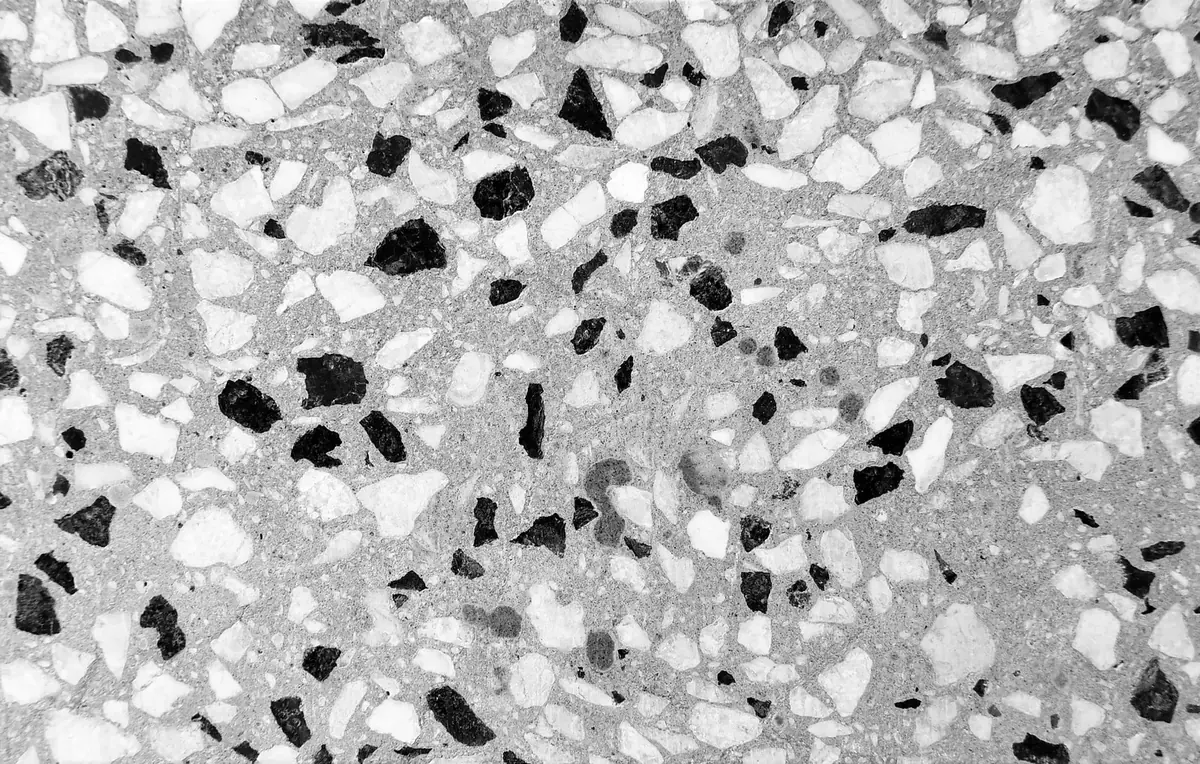 Texture & forgiveness
Decorative flake
Vinyl flakes broadcast into a base coat and sealed under a clear topcoat for a speckled, granite-like finish.
Often suited to
- Residential garages
- Laundry rooms and mudrooms
- Workshops
- Covered patios with a UV-stable top
Keep in mind: Flake size, density and topcoat thickness change both the look and the texture underfoot.
Read more about decorative flakeDepth & movementMetallic epoxy
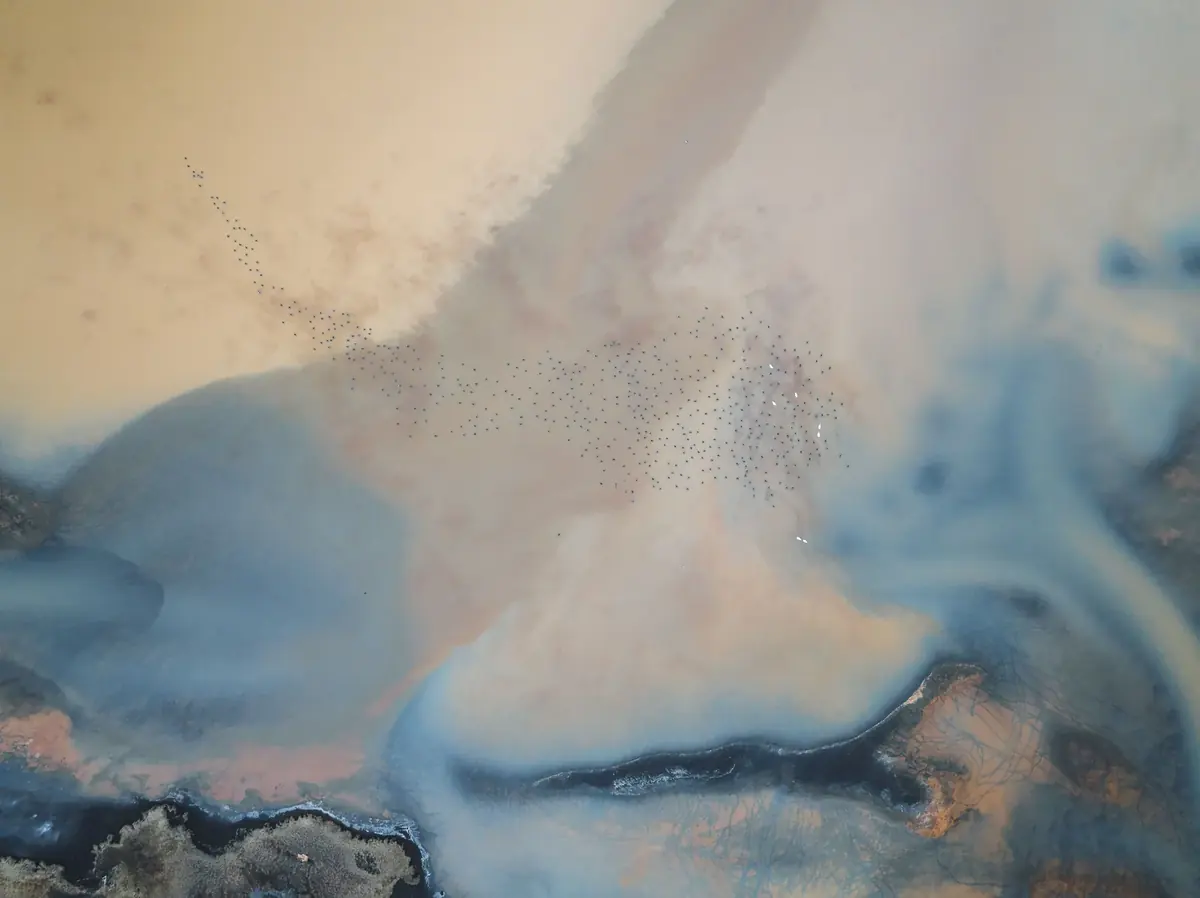
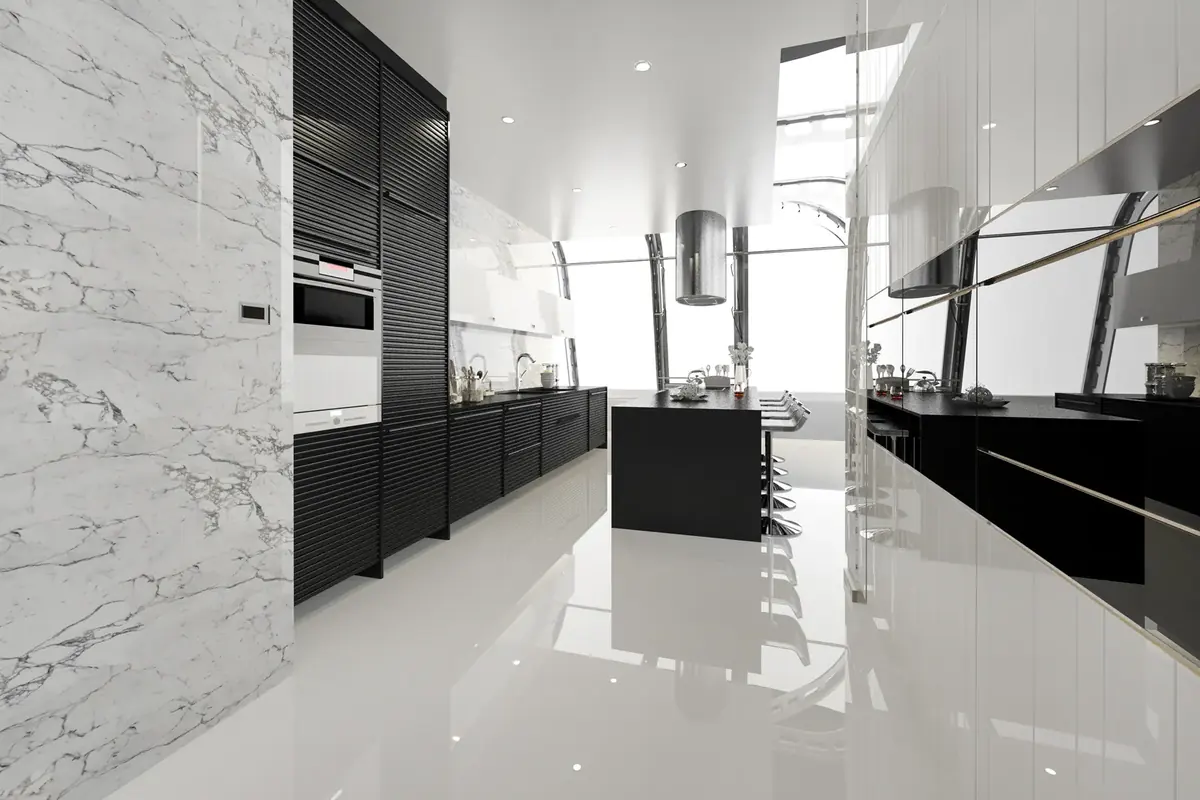
Reflective pigments worked by hand through clear or tinted epoxy to create marble-like veining and depth.
Often suited to
- Contemporary homes
- Showrooms and retail
- Lobbies and reception
- Show garages
Keep in mind: Handcrafted, so every floor varies. High gloss shows dust and fine scratches more than textured finishes.
Read more about metallic epoxy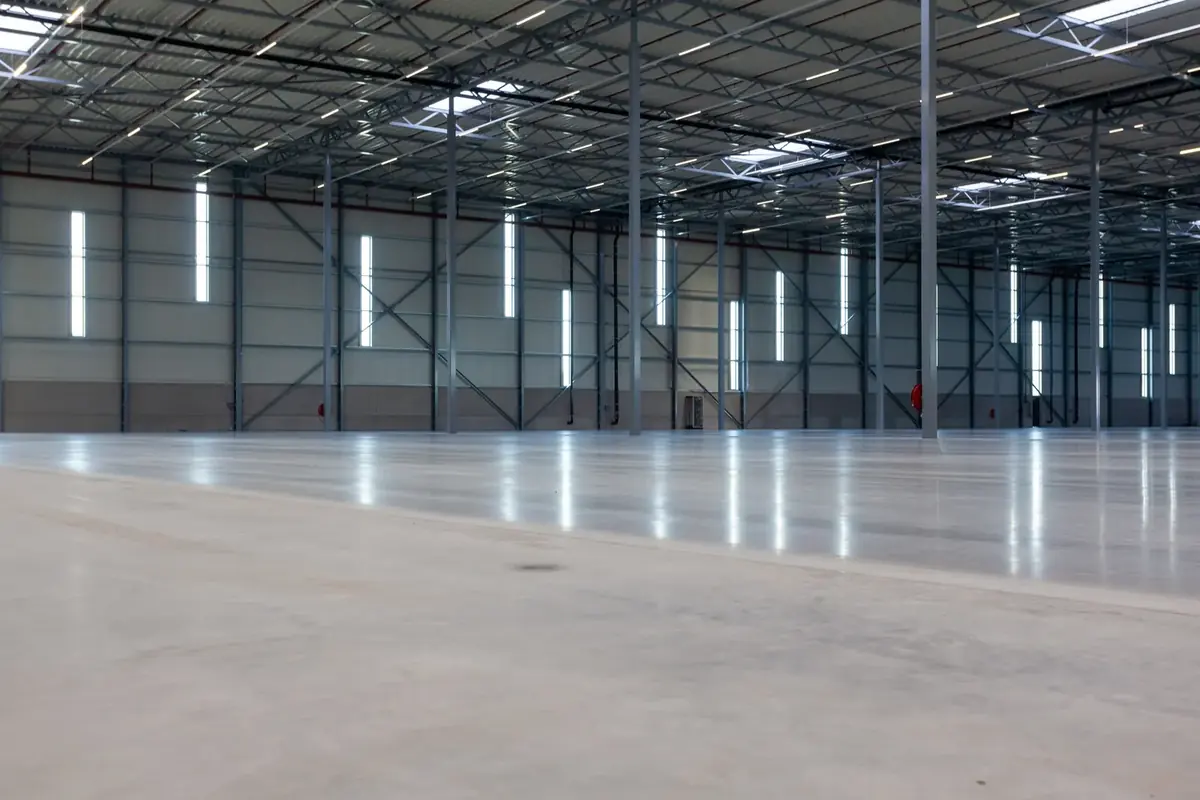 Working floors
High-build & sealers
Thicker epoxy builds, urethane or polyaspartic wear layers, and sealed or densified concrete for operational spaces.
Often suited to
- Warehouses and distribution
- Manufacturing and assembly
- Fleet and service bays
- Large-format storage
Keep in mind: The right specification depends on loads, wheels, chemicals and cleaning — we ask before we recommend.
Read more about high-build & sealers03 How we choose
Five questions behind every recommendation
- 01
How is the space used?
Parking, living, retail, production — traffic type and cleaning routine shape the build-up and texture.
- 02
Does sunlight reach the floor?
If so, a UV-stable topcoat is usually part of the specification.
- 03
What is the slab’s condition?
Moisture, cracks, contamination and old coatings can change the system or the primer.
- 04
What look do you want?
Solid, speckled, metallic, glossy or satin — and how forgiving it needs to be.
- 05
What downtime is acceptable?
Faster-curing systems can reduce downtime, with tradeoffs we’ll explain.
04 All services
Explore by application
 01
Coating systems
Epoxy Floor Coatings
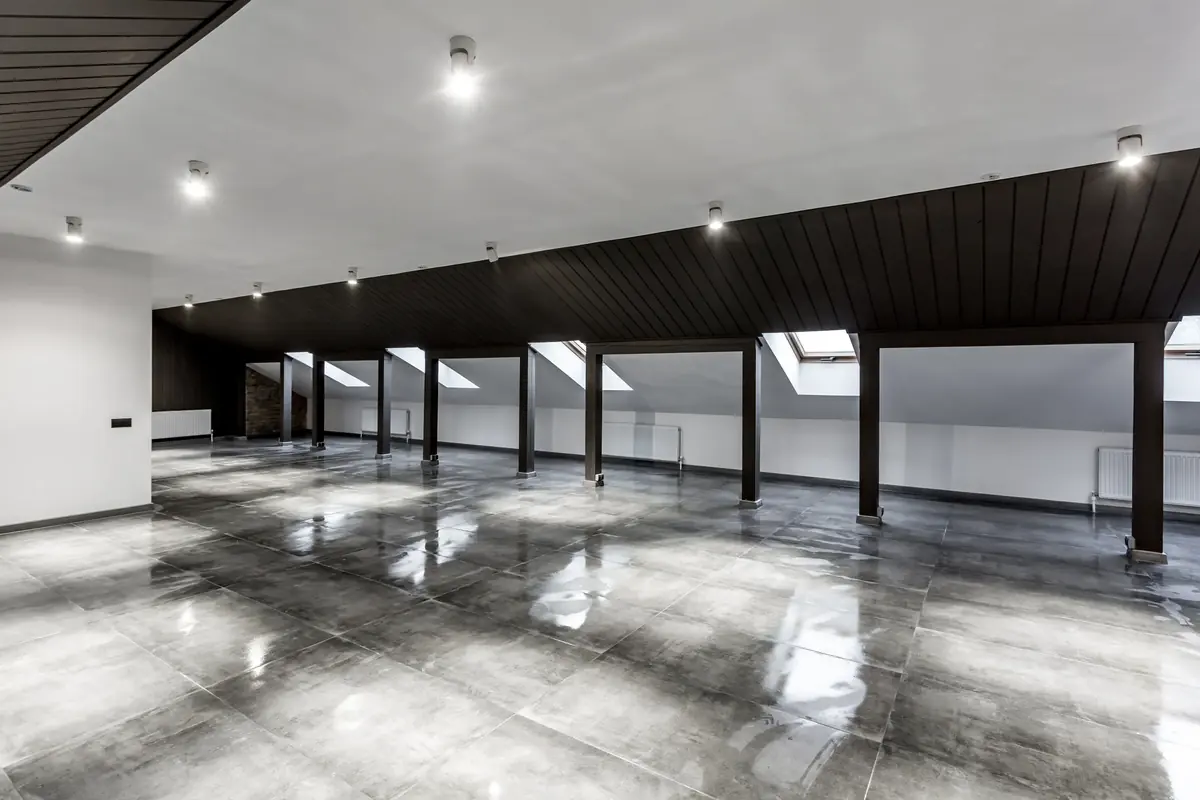
Solid-color, flake and metallic epoxy systems for interiors, garages and working floors.
Explore
 02
Decorative finishes
Metallic Epoxy Floors
Marble-look, pearlescent and river-pattern floors, each one hand-worked on site.
Explore
 03
Decorative finishes
Decorative Flake Floors
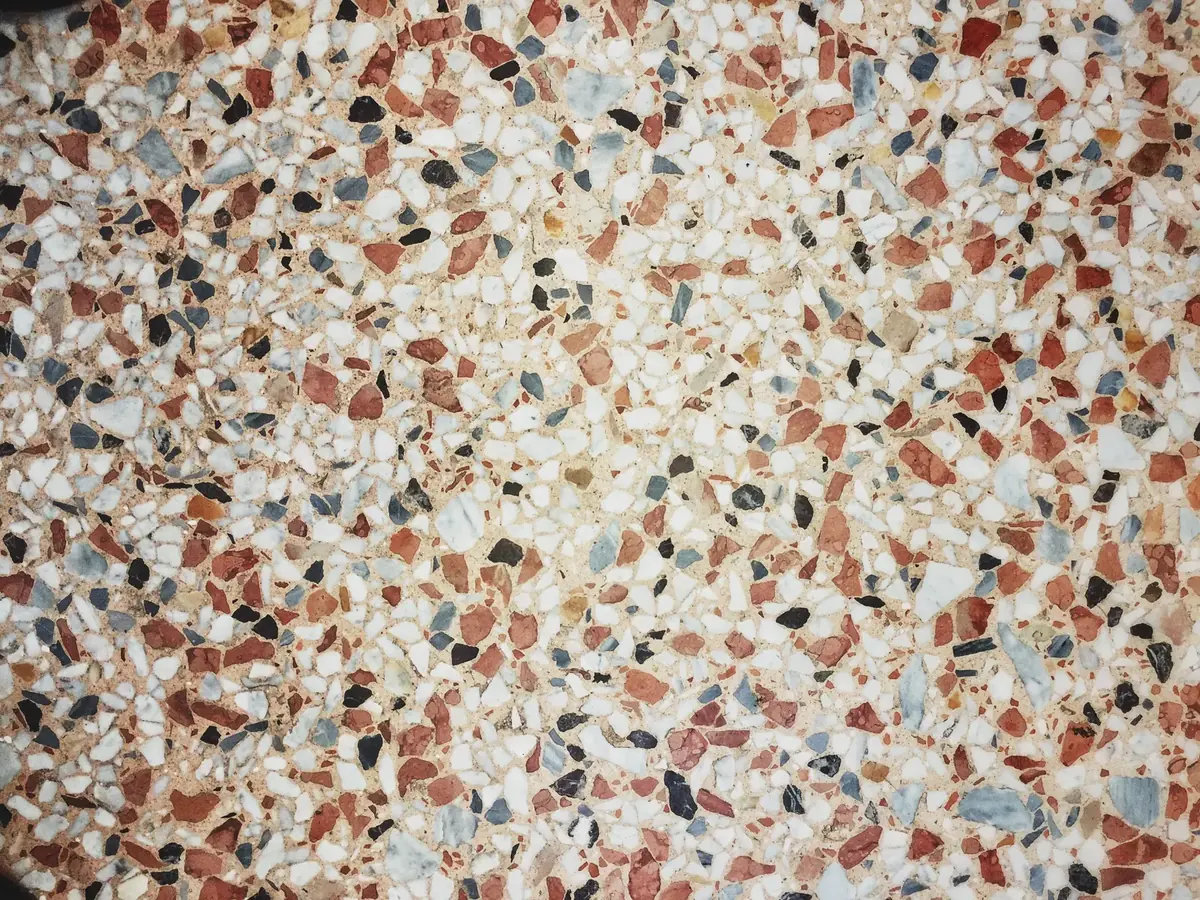
Textured chip blends from sandstone and terracotta to graphite and terrazzo-look.
Explore
 04
Residential
Garage Floor Coatings
Flake, metallic and solid-color systems specified for sun, heat and everyday use.
Explore
05
Coating systems
Polyaspartic Floor Coatings
UV-stable, fast-curing topcoats and full systems for sun-exposed floors.
Explore
 06
Commercial & industrial
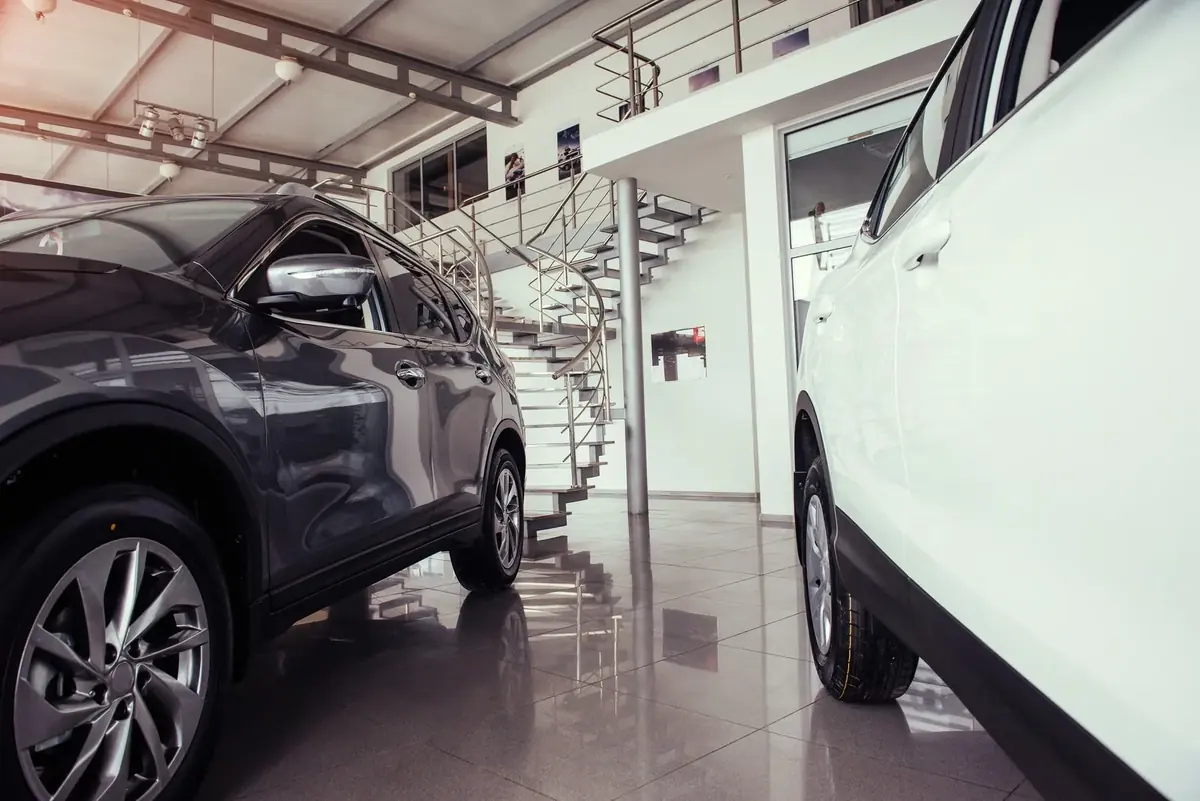
Commercial Floor Coatings
Showrooms, retail, salons, offices and back-of-house floors planned around operations.
Explore
 07
Commercial & industrial
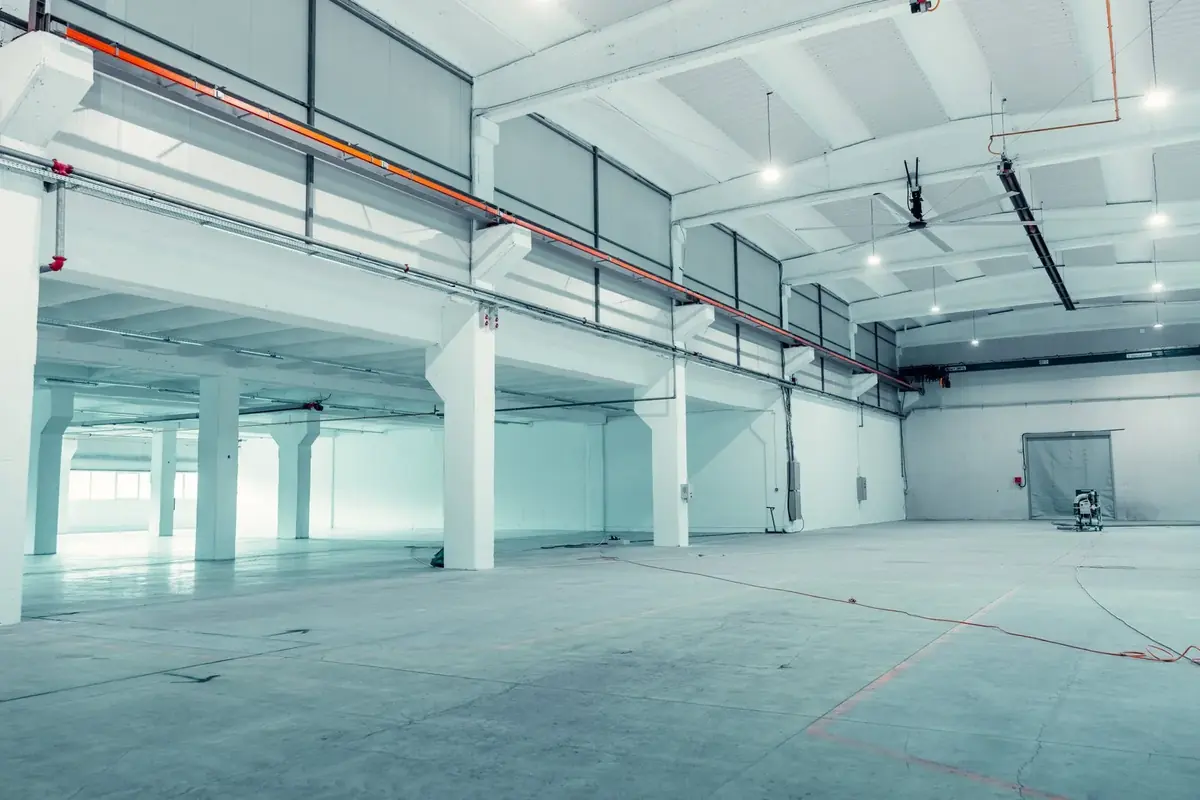
Industrial Concrete Coatings
High-build systems, striping and phased work for warehouses, fleet and facilities.
Explore
 08
Foundation work
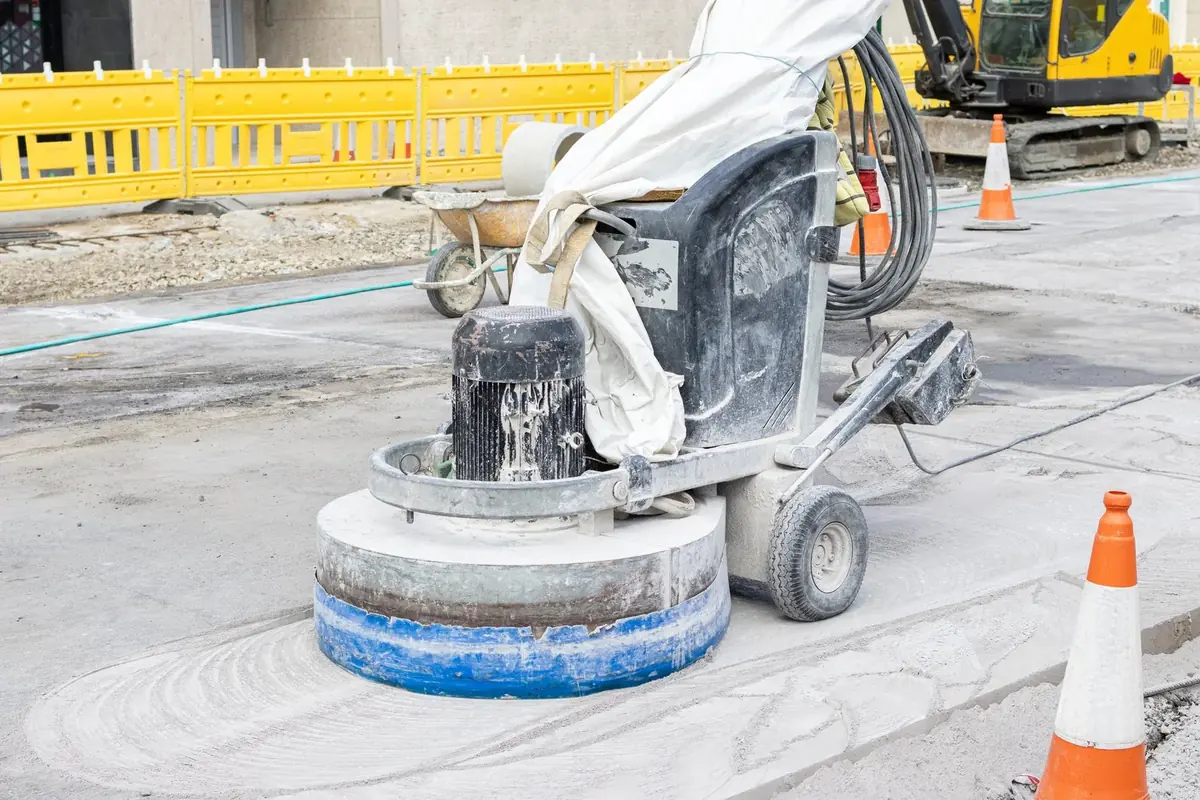
Concrete Surface Preparation
Diamond grinding, coating removal, crack and joint repair, and slab evaluation.
Explore
 09
Residential
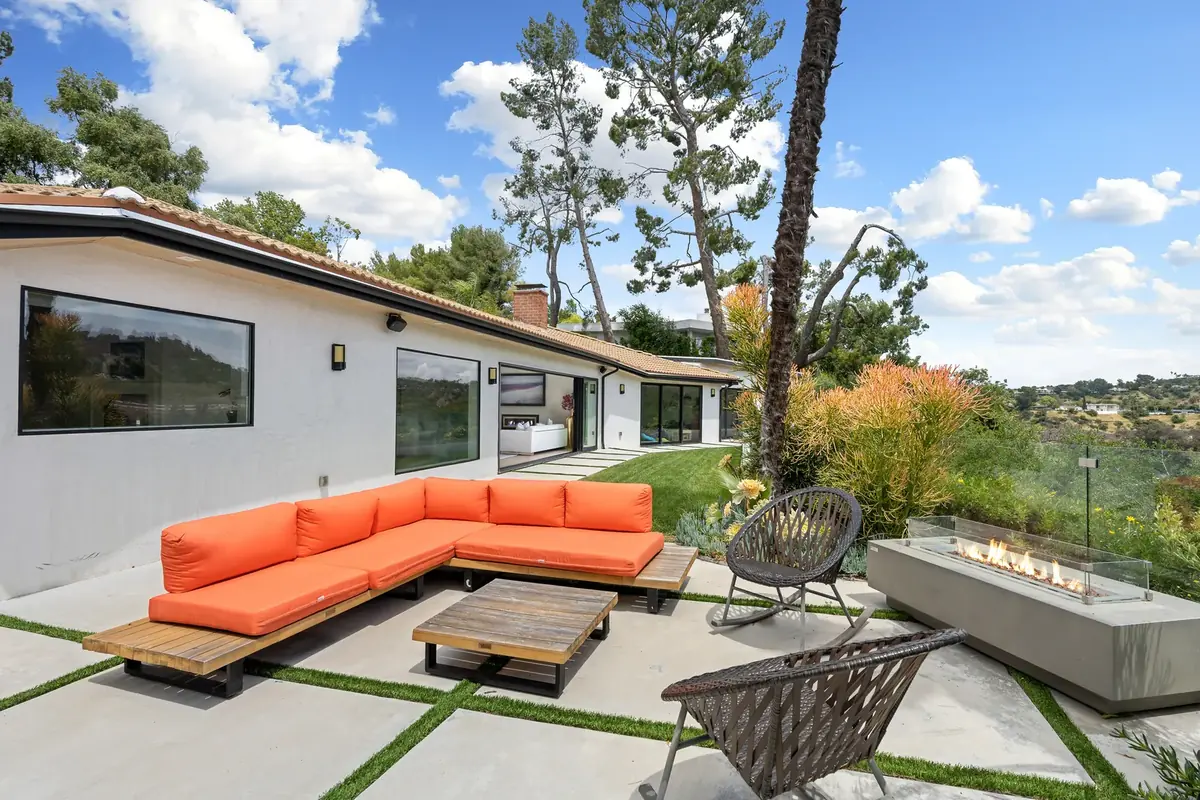
Patio & Outdoor Concrete Coatings
UV-stable, textured systems for covered patios, entries and outdoor living.
Explore