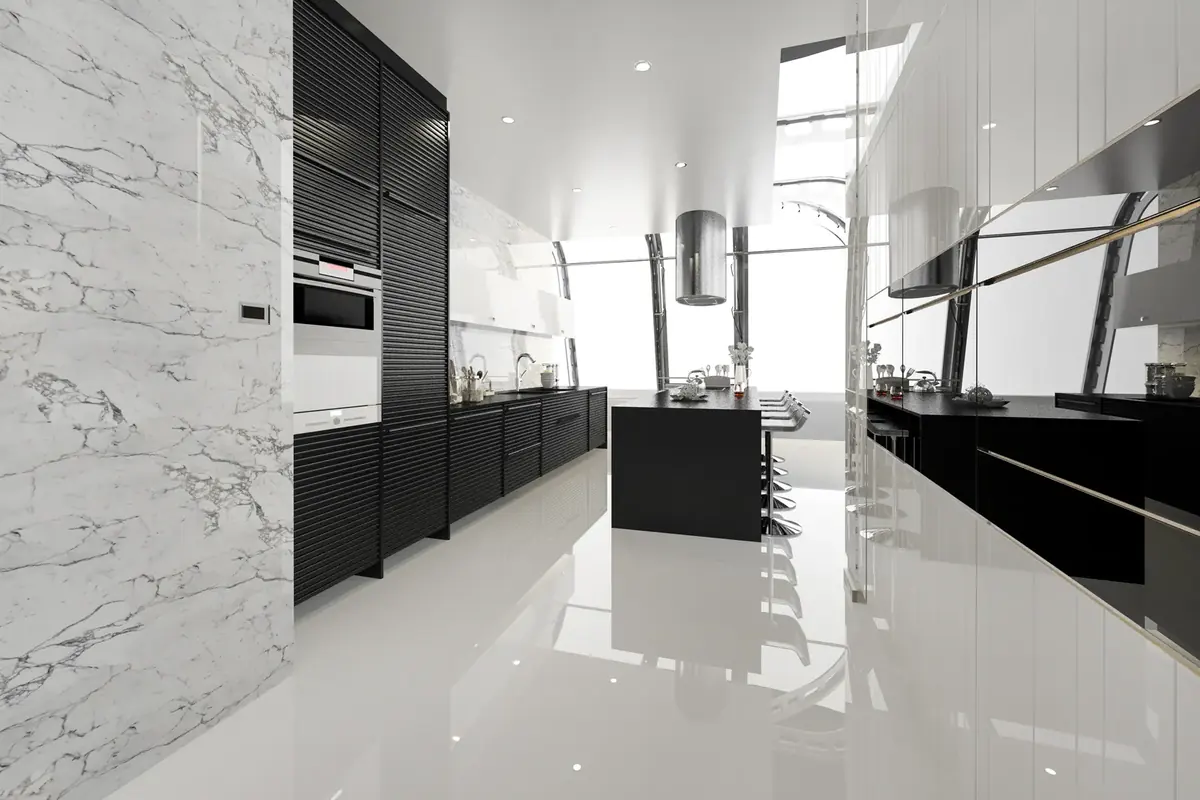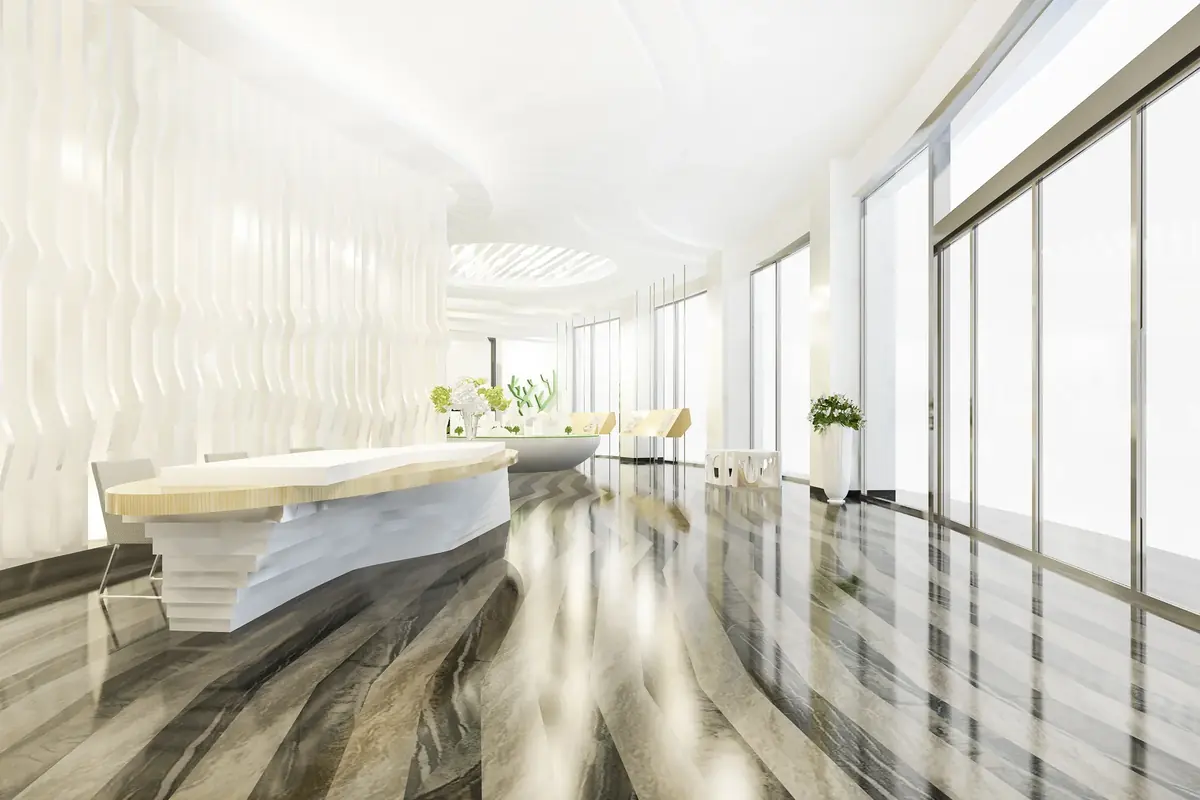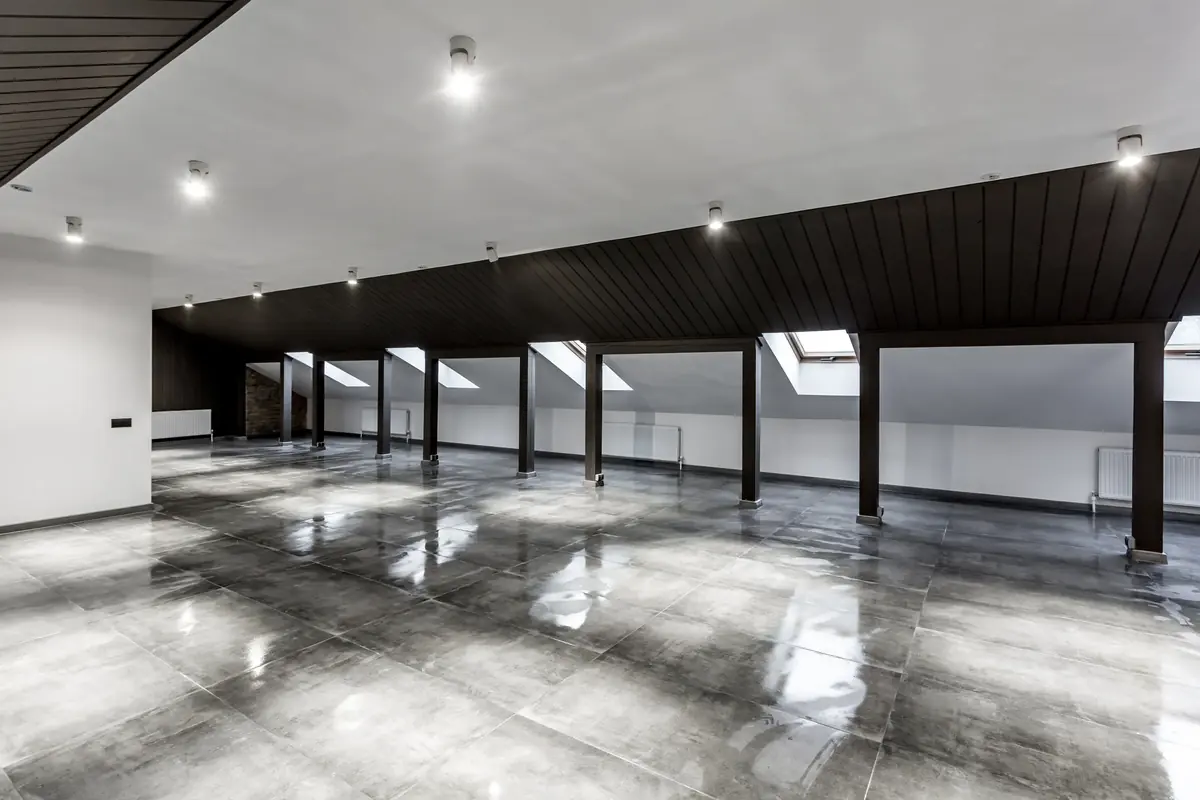
A metallic epoxy floor is built by dispersing reflective pigments into a clear or tinted epoxy and working them by hand while the material is still fluid. The pigments settle and flow to create depth, veining and soft movement that changes as light moves across the room. No two floors look exactly alike, which is exactly why clients choose them.
Because the result is so visible, metallic work is as much a design exercise as an installation. We help you choose a base tone, accent colors and a movement style that suits the architecture — whether that is a quiet, cloud-like floor for a modern home or a bolder, marble-inspired finish for a lobby or showroom.
Where metallic floors work beautifully
Contemporary homes
Living areas, casitas, game rooms and home studios where the floor becomes part of the interior design.
Showrooms and retail
Spaces where a reflective, distinctive floor supports the presentation of the product.
Lobbies and reception areas
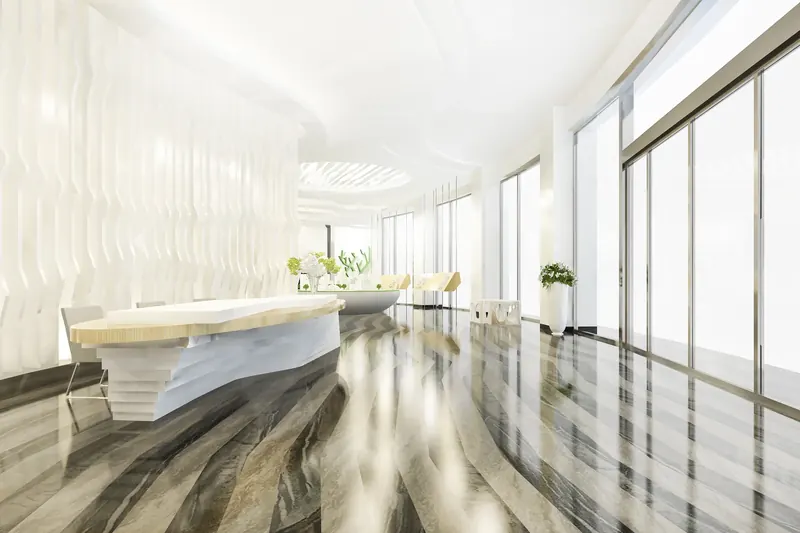
Seamless metallic floors give entry spaces a polished, architectural first impression.
Show garages
Collector and display garages where the floor is meant to be seen, with a UV-stable topcoat specified for sun exposure.

How a metallic floor comes together
- 01
Design consultation
We review color samples and reference photos with you and agree on base color, accents and movement before the install.
- 02
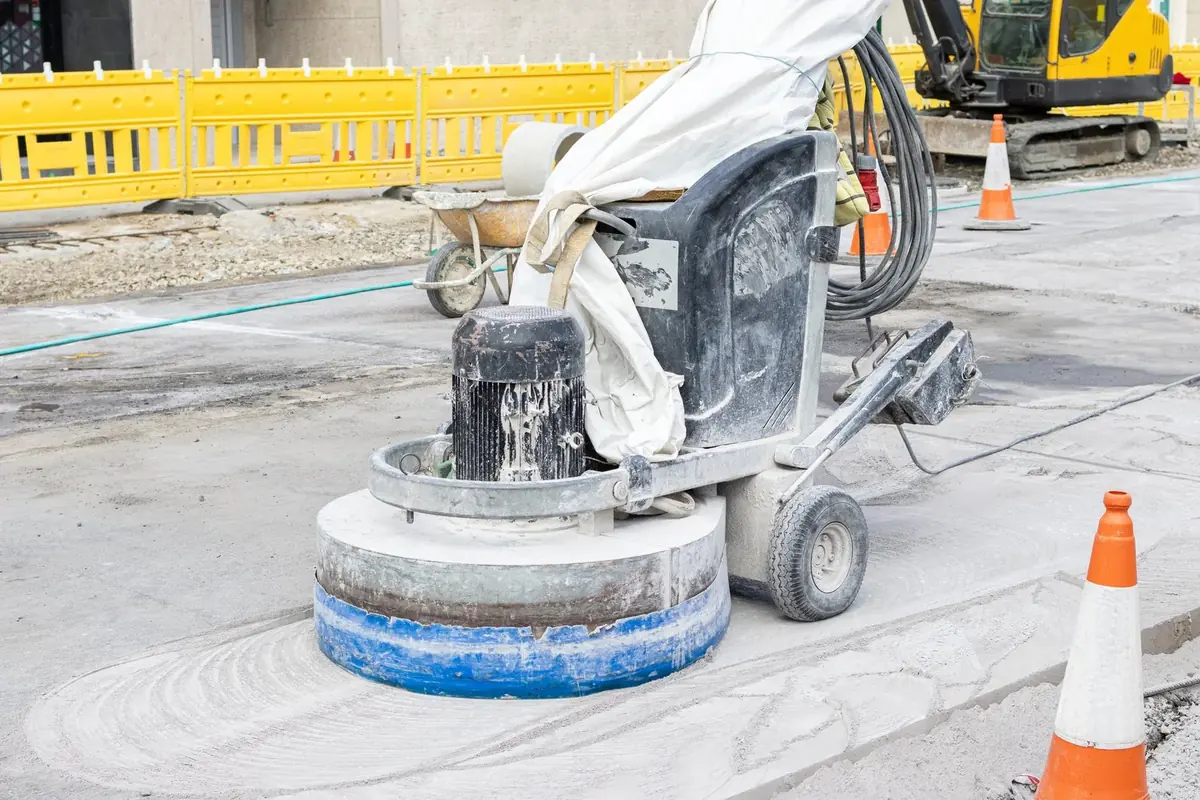
Grinding and repairs
The slab is diamond ground and repaired. Metallic finishes reveal surface imperfections, so this step is especially important.
- 03
Primer and base coat
A primer and a pigmented base coat create a uniform foundation that influences the final depth of color.
- 04
Metallic layer
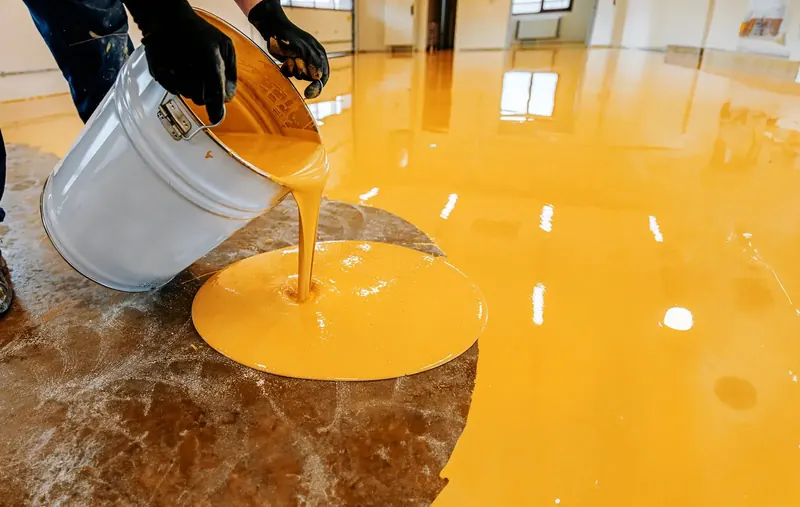
The metallic epoxy is poured, spread and manipulated by hand with rollers, brushes or air to build the agreed effect.
- 05
Protective topcoat
A clear topcoat adds protection and controls sheen. Where sun reaches the floor, we recommend a UV-stable topcoat.
Popular metallic looks
- Marble-look with fine veining
- Soft cloud or pearl finish
- River and lava-flow movement
- Monochrome silver and charcoal
- Warm desert tones — copper, bronze, sand
- Satin topcoat for a softer sheen
Things to plan for
Metallic floors are handcrafted, so samples and photos guide the result but cannot reproduce it exactly. Expect variation across the floor — that is the character of the finish. We will show you samples made with the actual pigments we plan to use.
High-gloss metallic floors show dust and fine scratches more readily than textured systems. In busy spaces, or where pets and grit are part of daily life, a satin topcoat and entry matting help keep the floor looking its best. Like any smooth floor, they can be slick when wet, so we discuss slip-resistant options for entries and kitchens.
Not sure this is the right system? Our coating systems guide compares the options side by side, or we can recommend one after seeing your floor.
Metallic Epoxy Floors — frequently asked questions
Can I see my colors before the floor is installed?
Yes. We prepare sample boards using the pigments and base colors we plan to use so you can see them in your own light before committing.
Can metallic epoxy go in a garage?
It can, and it makes a striking show garage. Because epoxy can amber in sunlight, we usually finish garage metallic floors with a UV-stable topcoat and talk through hot-tire and chemical exposure first.
How do I care for a metallic floor?
Dust mop regularly, use walk-off mats at entries and clean with a pH-neutral cleaner. Avoid harsh chemicals and dragging heavy furniture; felt pads under furniture help protect the topcoat.
Will a metallic floor hide cracks in my slab?
Not reliably. Metallic finishes tend to telegraph what is underneath, so cracks and patches are repaired and feathered during preparation. Moving cracks may still show over time, and we explain that before work starts.